10 months ago Category :
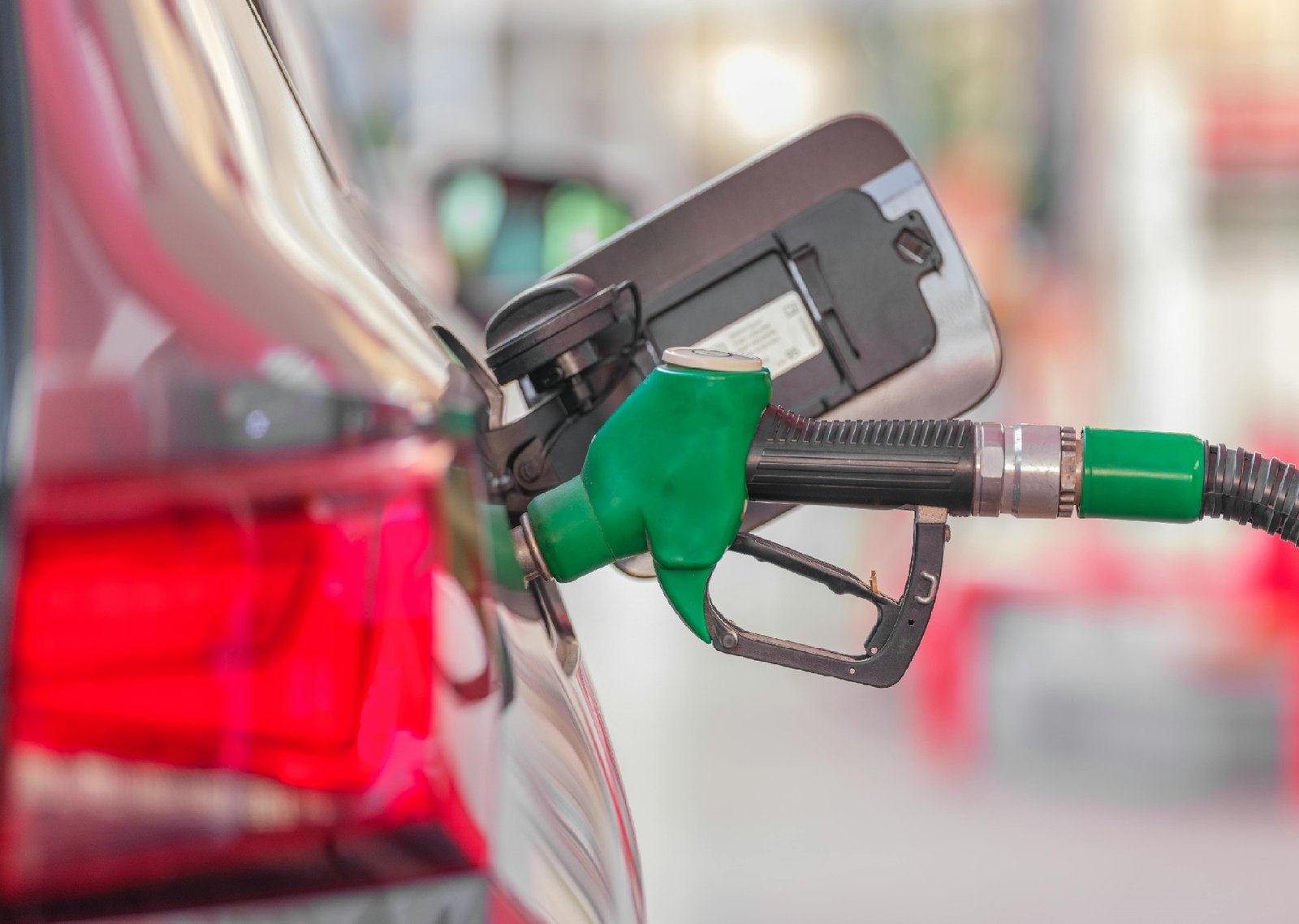
The Intersection of Food Regulation and Green Energy: A Recipe for Sustainable Future
Read More →10 months ago Category :
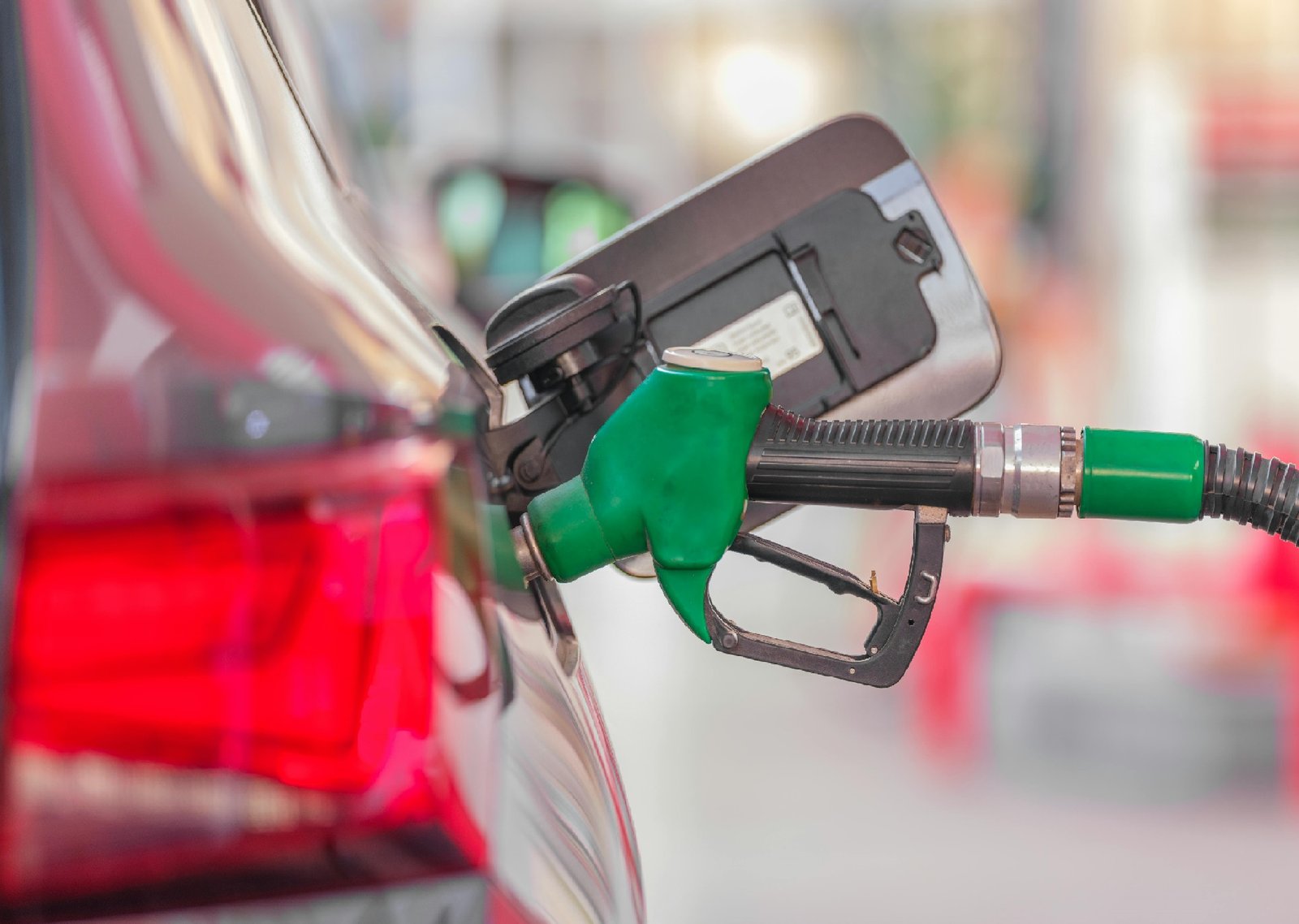
In today's interconnected world, the food industry is no longer confined by borders. With advancements in transportation and technology, the global food trade has boomed in recent decades. More and more countries are engaging in the export and import of various food products, creating a complex web of interconnected supply chains.
Read More →10 months ago Category :
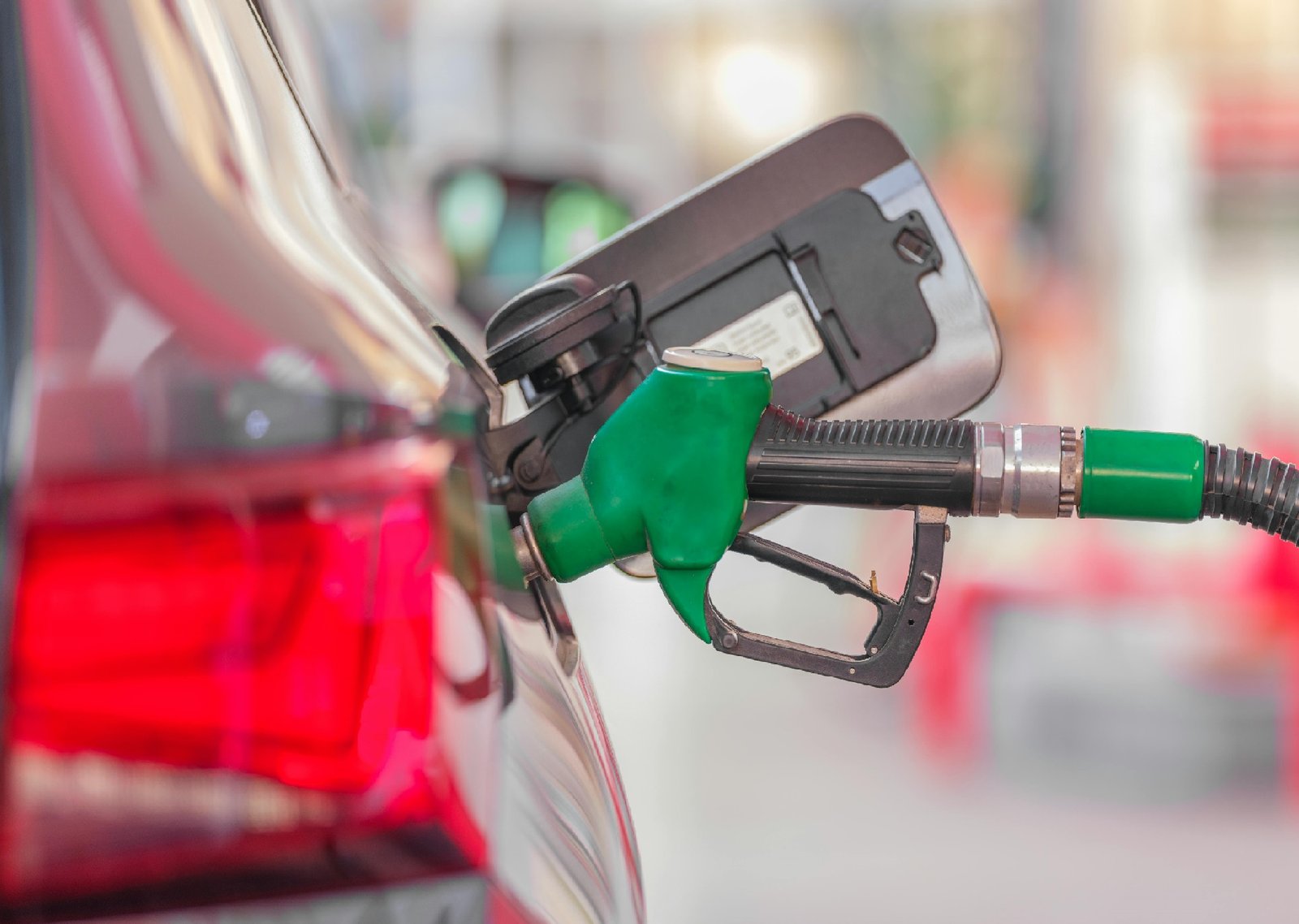
In today's world, there is a growing need to exercise control over our food consumption while also embracing green energy practices. The way we produce and consume food has a significant impact on our environment, and transitioning to more sustainable practices is crucial for the health of our planet. At the same time, utilizing green energy sources can help reduce our carbon footprint and combat climate change.
Read More →10 months ago Category :
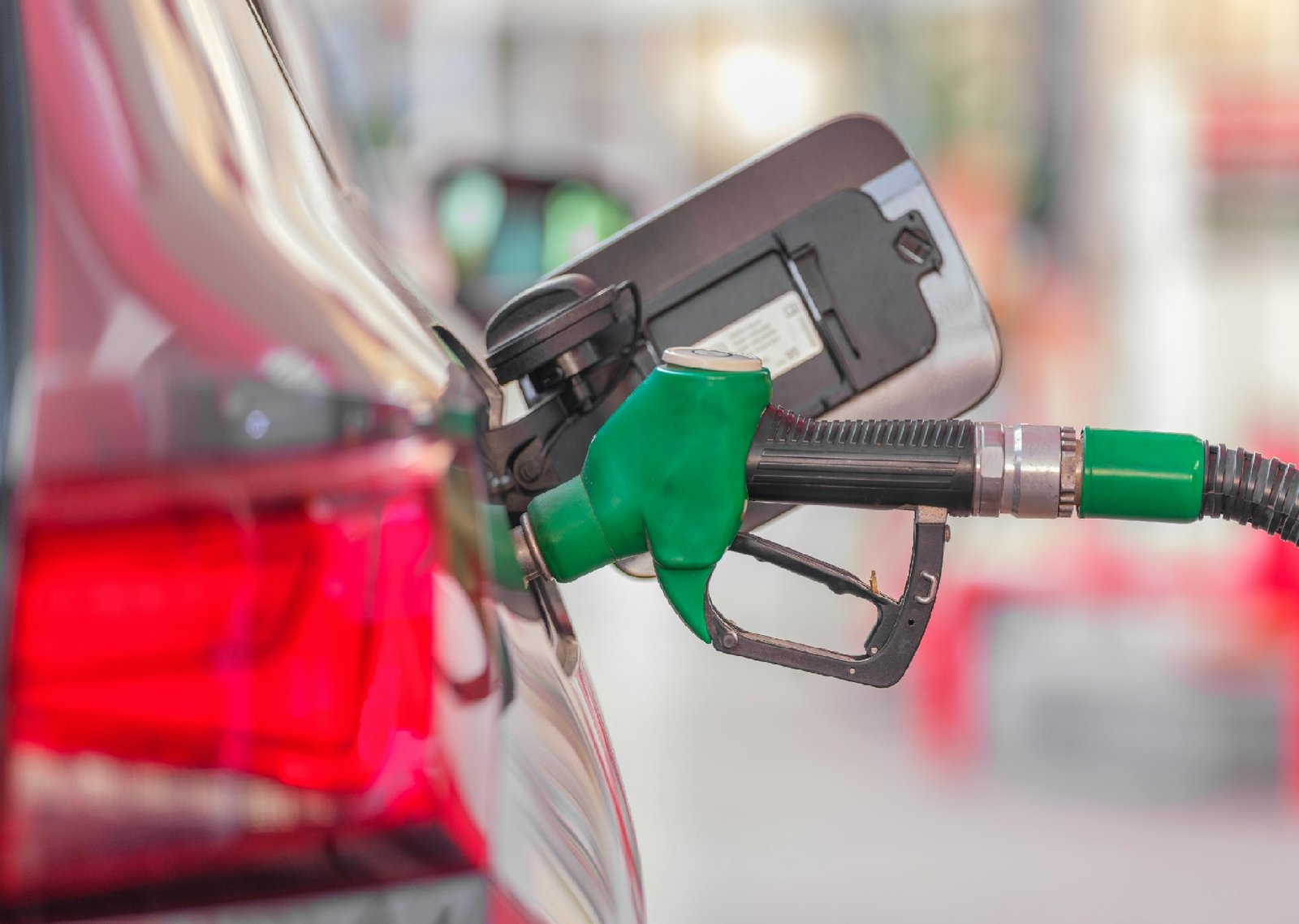
Financial Compensation in Russian Energy Deals
Read More →10 months ago Category :
Norwegian Energy: Understanding Financial Compensation
Read More →10 months ago Category :
Understanding Financial Compensation in Libya's Energy Sector
Read More →10 months ago Category :
Finance Recovery: Understanding Russian Energy Deals
Read More →10 months ago Category :
Finance Recovery and Norwegian Energy
Read More →10 months ago Category :
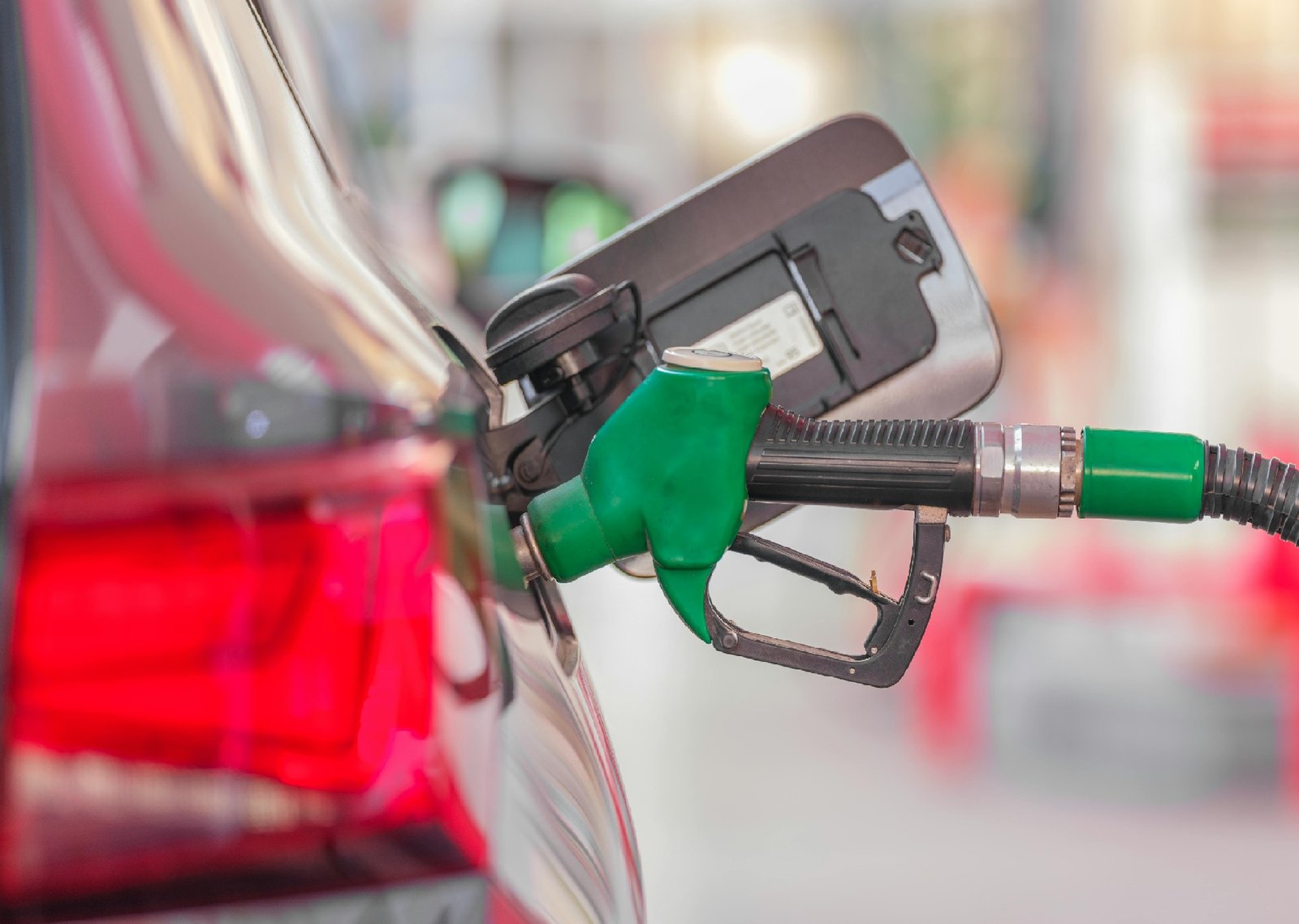
The revival of Libya's energy sector plays a crucial role in the country's financial recovery. Libya, a country rich in oil and gas reserves, has faced significant challenges in recent years due to political instability and armed conflicts. The disruption in the energy sector has had a serious impact on the country's economy, leading to a sharp decline in government revenue and hindering economic development.
Read More →10 months ago Category :
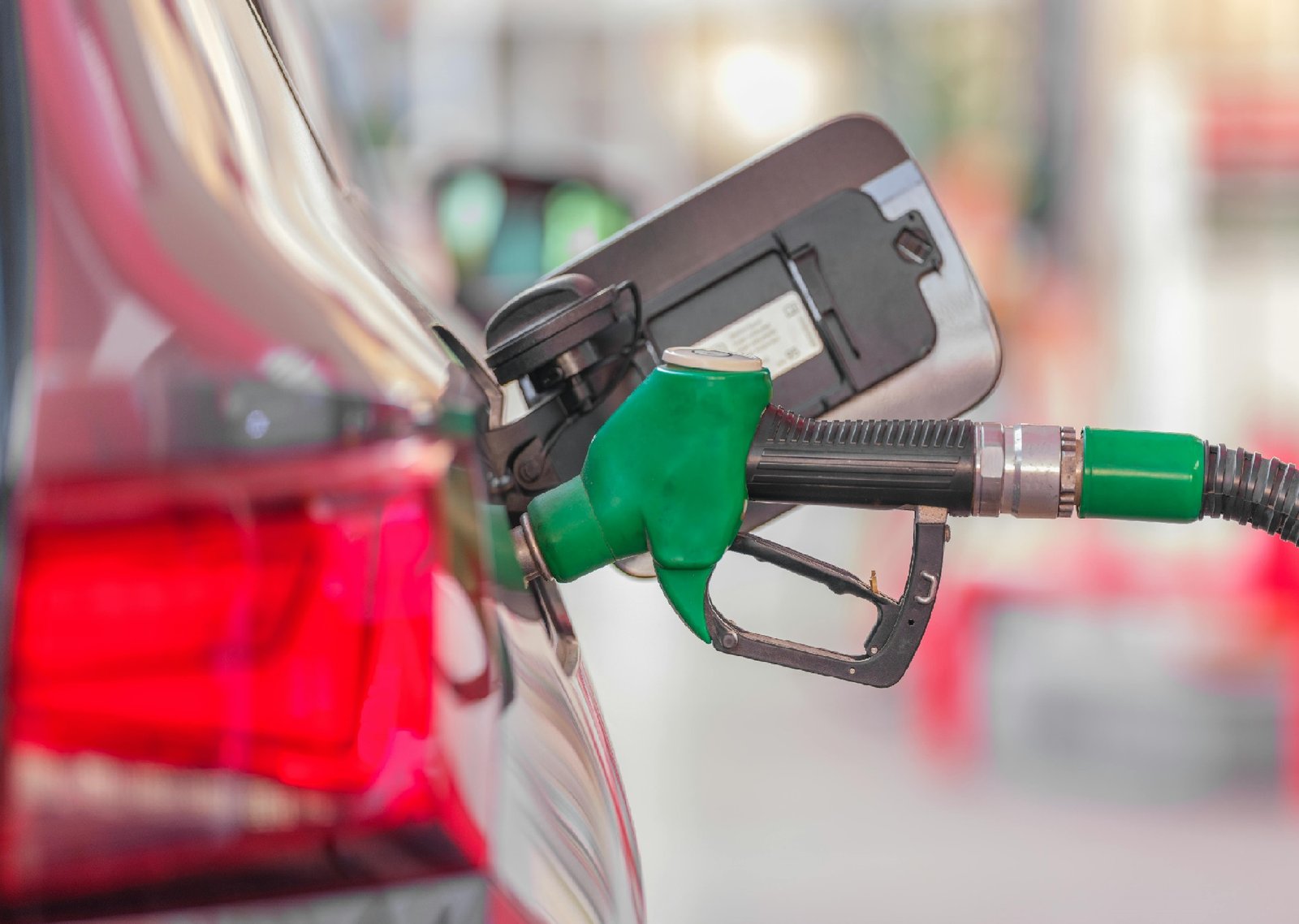
Building a Sustainable Financial Recovery with Green Energy Investments
Read More →SEARCH
Recent News
- Zurich, Switzerland is known for its picturesque landscapes, thriving financial sector, and strategic location in Europe. Lately, the city has been making headlines for its involvement in Russian energy deals. These deals have sparked controversy and drawn attention from various stakeholders around the world.
- Zurich, Switzerland, and Norwegian energy may seem like an unlikely pairing, but these two entities are actually connected when it comes to sustainable living and renewable energy practices. Zurich, known for its picturesque landscape, vibrant culture, and high quality of life, has been leading the way in environmental conservation and energy efficiency. On the other hand, Norway is renowned for its focus on clean and renewable energy sources, particularly hydropower.
- Zurich, Switzerland is a city known for its picturesque landscapes, high quality of life, and thriving economy. Recently, Zurich has also been making headlines in the energy sector with its growing interest and investment in Libyan energy resources.
- Zurich, Switzerland is setting the bar high when it comes to embracing green energy initiatives. With a strong commitment to sustainability and reducing carbon emissions, the city of Zurich is making impressive strides towards a greener future.
- Zurich, Switzerland is known for being a city at the forefront of sustainability and environmental awareness. In recent years, the city has been making significant strides in the production of biomass energy as a way to reduce its carbon footprint and reliance on fossil fuels.
- In the world of YouTube content creation, finding unique and engaging topics to explore can be a challenge. One intriguing subject that has been gaining attention recently is the translation of Russian energy deals. This niche area of focus offers a fascinating insight into the world of international business and energy geopolitics.
- Norwegian energy companies are making a significant impact on YouTube by creating engaging and informative content about the country's energy sector. With a focus on sustainability and innovation, these companies are using the platform to reach a global audience and promote their efforts in renewable energy production.
- YouTube Content Creation and Translation in Libyan Energy