Exploring the Implications of Deepfake Applications in the Libyan Energy Sector
Category : | Sub Category : Posted on 2025-11-03 22:25:23
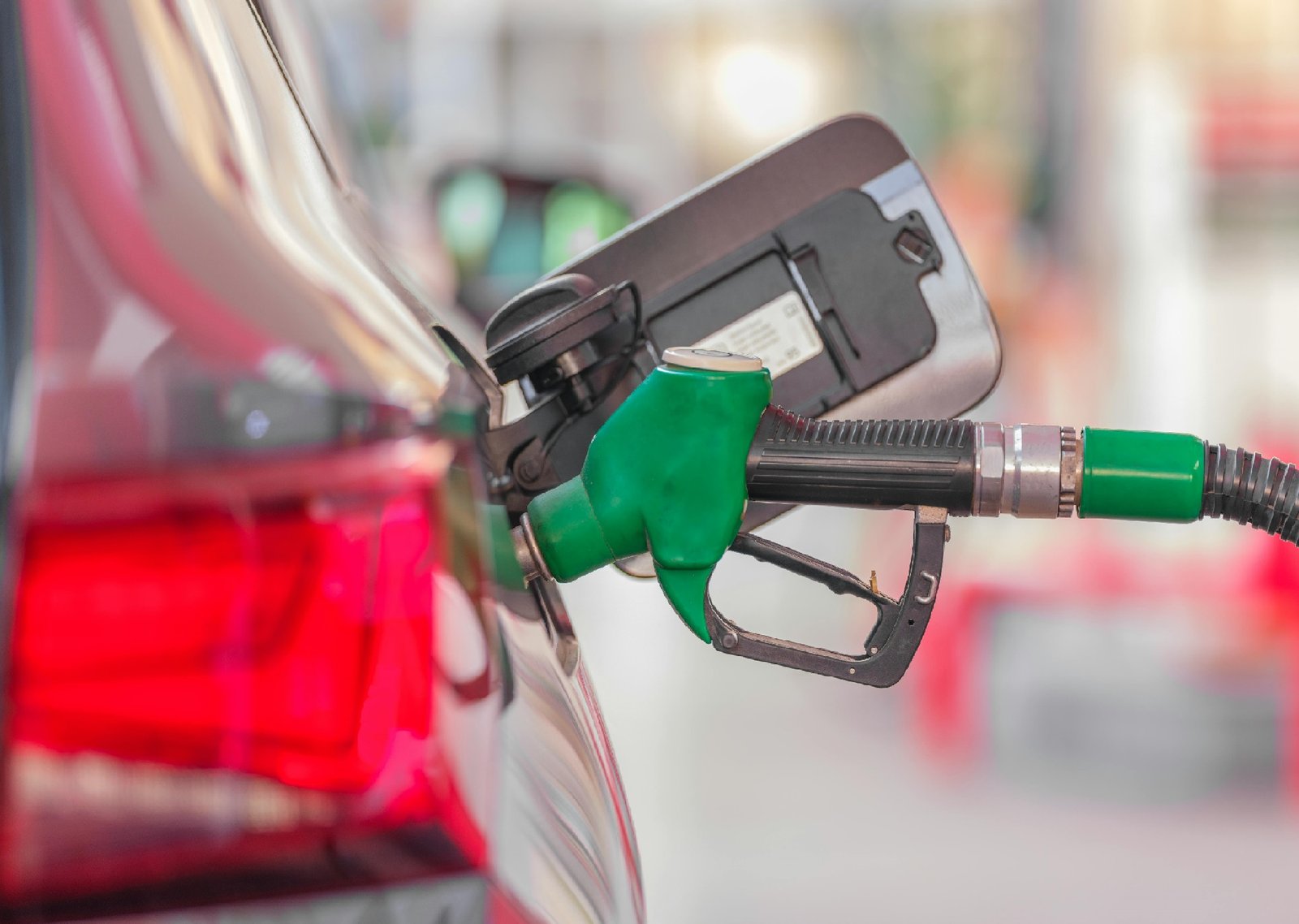
In recent years, deepfake technology has gained significant attention for its ability to create highly realistic manipulated content, such as videos, images, and audio recordings. While this technology has raised concerns about its potential misuse in various industries, its applications in the Libyan energy sector can pose unique challenges and opportunities. The Libyan energy sector plays a crucial role in the country's economy, with oil and gas being major sources of revenue. As deepfake technology becomes more sophisticated and accessible, there is a growing concern about the potential use of deepfakes to manipulate data and information related to energy production and distribution. One of the key implications of deepfake applications in the Libyan energy sector is the potential for misinformation and disinformation. By creating realistic but false content, malicious actors could spread misleading information about energy reserves, production levels, or infrastructure damage. This could have serious consequences for the stability of the Libyan energy market and global energy prices. Moreover, deepfakes could be used to deceive stakeholders, such as investors, policymakers, and the public, by fabricating speeches, interviews, or announcements from key figures in the energy sector. This could lead to a loss of trust and confidence in the industry, as well as financial repercussions for companies operating in Libya. On the other hand, there are also opportunities for the responsible use of deepfake technology in the Libyan energy sector. For instance, companies could leverage deepfakes for training purposes, such as creating simulated scenarios for emergency response drills or safety protocols. Additionally, deepfake technology could be used to enhance data visualization and modeling for energy projects, allowing for more accurate planning and decision-making. To address the challenges posed by deepfake applications in the Libyan energy sector, stakeholders must invest in robust cybersecurity measures to detect and combat the spread of fake content. This includes implementing authentication mechanisms for verifying the authenticity of information, as well as educating employees and the public about the risks associated with deepfakes. In conclusion, the rise of deepfake technology presents both risks and opportunities for the Libyan energy sector. While the malicious use of deepfakes could threaten the integrity of the industry, proactive measures can help mitigate these risks and harness the potential benefits of this technology. By staying vigilant and adopting a proactive approach, the Libyan energy sector can navigate the evolving landscape of deepfake applications and safeguard its operations and reputation. More about this subject in https://www.investigar.org For more information about this: https://www.sunpowerpanels.com Have a look at the following website to get more information https://www.indicazioni.com Want to expand your knowledge? Start with https://www.tonigeria.com Check this out https://www.tocongo.com Explore expert opinions in https://www.toabudhabi.com Get more at https://www.cruzar.org Take a deep dive into this topic by checking: https://www.abandonar.org For valuable insights, consult https://www.culturelle.org For a different angle, consider what the following has to say. https://www.departements.org For an alternative viewpoint, explore https://www.regionales.net Uncover valuable insights in https://www.ncciraq.com For a comprehensive review, explore https://www.todamascus.com For a broader perspective, don't miss https://www.totunisia.com Get a well-rounded perspective with https://www.libyainfo.com
Leave a Comment:
SEARCH
Recent News
- Zurich, Switzerland is known for its picturesque landscapes, thriving financial sector, and strategic location in Europe. Lately, the city has been making headlines for its involvement in Russian energy deals. These deals have sparked controversy and drawn attention from various stakeholders around the world.
- Zurich, Switzerland, and Norwegian energy may seem like an unlikely pairing, but these two entities are actually connected when it comes to sustainable living and renewable energy practices. Zurich, known for its picturesque landscape, vibrant culture, and high quality of life, has been leading the way in environmental conservation and energy efficiency. On the other hand, Norway is renowned for its focus on clean and renewable energy sources, particularly hydropower.
- Zurich, Switzerland is a city known for its picturesque landscapes, high quality of life, and thriving economy. Recently, Zurich has also been making headlines in the energy sector with its growing interest and investment in Libyan energy resources.
- Zurich, Switzerland is setting the bar high when it comes to embracing green energy initiatives. With a strong commitment to sustainability and reducing carbon emissions, the city of Zurich is making impressive strides towards a greener future.
- Zurich, Switzerland is known for being a city at the forefront of sustainability and environmental awareness. In recent years, the city has been making significant strides in the production of biomass energy as a way to reduce its carbon footprint and reliance on fossil fuels.
- In the world of YouTube content creation, finding unique and engaging topics to explore can be a challenge. One intriguing subject that has been gaining attention recently is the translation of Russian energy deals. This niche area of focus offers a fascinating insight into the world of international business and energy geopolitics.
- Norwegian energy companies are making a significant impact on YouTube by creating engaging and informative content about the country's energy sector. With a focus on sustainability and innovation, these companies are using the platform to reach a global audience and promote their efforts in renewable energy production.
- YouTube Content Creation and Translation in Libyan Energy
READ MORE
10 months ago Category :

Zurich, Switzerland is known for its picturesque landscapes, thriving financial sector, and strategic location in Europe. Lately, the city has been making headlines for its involvement in Russian energy deals. These deals have sparked controversy and drawn attention from various stakeholders around the world.
Read More →10 months ago Category :

Zurich, Switzerland, and Norwegian energy may seem like an unlikely pairing, but these two entities are actually connected when it comes to sustainable living and renewable energy practices. Zurich, known for its picturesque landscape, vibrant culture, and high quality of life, has been leading the way in environmental conservation and energy efficiency. On the other hand, Norway is renowned for its focus on clean and renewable energy sources, particularly hydropower.
Read More →10 months ago Category :

Zurich, Switzerland is a city known for its picturesque landscapes, high quality of life, and thriving economy. Recently, Zurich has also been making headlines in the energy sector with its growing interest and investment in Libyan energy resources.
Read More →10 months ago Category :
