The Greek industry plays a critical role in the country's economy, contributing significantly to its growth and development. One of the key sectors within the industry is fuel and energy, which serves as the backbone of various other industries and sectors.
Category : | Sub Category : Posted on 2025-11-03 22:25:23
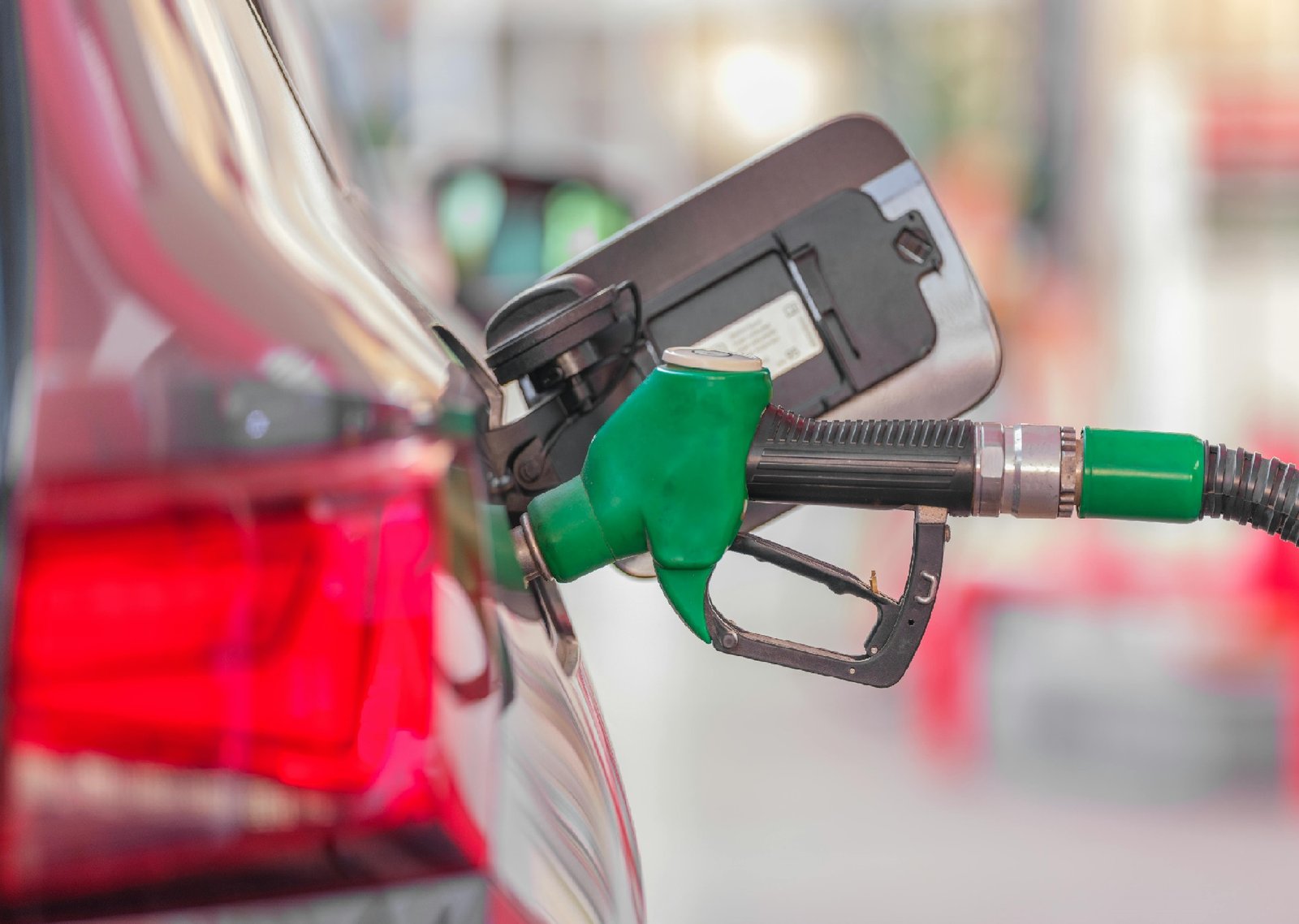
In Greece, energy production is mainly dominated by fossil fuels, particularly oil and natural gas. The country has limited domestic energy resources and heavily relies on imports to meet its energy needs. This dependence on imported energy sources makes Greece vulnerable to external factors such as fluctuating global oil prices and geopolitical tensions. Despite these challenges, the Greek government has been making efforts to diversify its energy mix and reduce its reliance on fossil fuels. The country has been investing in renewable energy sources such as wind, solar, and hydroelectric power. In recent years, Greece has seen a significant increase in the deployment of renewable energy projects, with the aim of achieving energy independence and reducing greenhouse gas emissions. The fuel industry in Greece is also a significant player within the Greek industrial landscape. The sector encompasses activities related to the refining, distribution, and sale of fuel products such as gasoline, diesel, and aviation fuel. The country has a well-established network of fuel stations that cater to the needs of both domestic consumers and commercial enterprises. The fuel and energy sector in Greece faces various challenges, including regulatory hurdles, fluctuating global oil prices, and increasing competition from renewable energy sources. However, with the government's support for renewable energy initiatives and efforts to enhance energy efficiency, the future looks promising for the Greek fuel and energy industry. Overall, the fuel and energy sector is a vital component of the Greek industry, contributing to economic growth, job creation, and environmental sustainability. With the right policies and investments, Greece can further strengthen its position in the fuel and energy market and move towards a more sustainable and secure energy future. Have a look at https://www.sunpowerpanels.com Want to gain insights? Start with https://www.isgreece.com
Leave a Comment:
SEARCH
Recent News
- Zurich, Switzerland is known for its picturesque landscapes, thriving financial sector, and strategic location in Europe. Lately, the city has been making headlines for its involvement in Russian energy deals. These deals have sparked controversy and drawn attention from various stakeholders around the world.
- Zurich, Switzerland, and Norwegian energy may seem like an unlikely pairing, but these two entities are actually connected when it comes to sustainable living and renewable energy practices. Zurich, known for its picturesque landscape, vibrant culture, and high quality of life, has been leading the way in environmental conservation and energy efficiency. On the other hand, Norway is renowned for its focus on clean and renewable energy sources, particularly hydropower.
- Zurich, Switzerland is a city known for its picturesque landscapes, high quality of life, and thriving economy. Recently, Zurich has also been making headlines in the energy sector with its growing interest and investment in Libyan energy resources.
- Zurich, Switzerland is setting the bar high when it comes to embracing green energy initiatives. With a strong commitment to sustainability and reducing carbon emissions, the city of Zurich is making impressive strides towards a greener future.
- Zurich, Switzerland is known for being a city at the forefront of sustainability and environmental awareness. In recent years, the city has been making significant strides in the production of biomass energy as a way to reduce its carbon footprint and reliance on fossil fuels.
- In the world of YouTube content creation, finding unique and engaging topics to explore can be a challenge. One intriguing subject that has been gaining attention recently is the translation of Russian energy deals. This niche area of focus offers a fascinating insight into the world of international business and energy geopolitics.
- Norwegian energy companies are making a significant impact on YouTube by creating engaging and informative content about the country's energy sector. With a focus on sustainability and innovation, these companies are using the platform to reach a global audience and promote their efforts in renewable energy production.
- YouTube Content Creation and Translation in Libyan Energy
READ MORE
10 months ago Category :

Zurich, Switzerland is known for its picturesque landscapes, thriving financial sector, and strategic location in Europe. Lately, the city has been making headlines for its involvement in Russian energy deals. These deals have sparked controversy and drawn attention from various stakeholders around the world.
Read More →10 months ago Category :

Zurich, Switzerland, and Norwegian energy may seem like an unlikely pairing, but these two entities are actually connected when it comes to sustainable living and renewable energy practices. Zurich, known for its picturesque landscape, vibrant culture, and high quality of life, has been leading the way in environmental conservation and energy efficiency. On the other hand, Norway is renowned for its focus on clean and renewable energy sources, particularly hydropower.
Read More →10 months ago Category :

Zurich, Switzerland is a city known for its picturesque landscapes, high quality of life, and thriving economy. Recently, Zurich has also been making headlines in the energy sector with its growing interest and investment in Libyan energy resources.
Read More →10 months ago Category :
