Lithuania is a small yet dynamic country in the Baltic region, known for its beautiful landscapes, rich history, and growing economy. In recent years, there has been a notable increase in investment and development in the Lithuanian real estate market, driven by various factors including an improving economy, low interest rates, and attractive property prices.
Category : | Sub Category : Posted on 2025-11-03 22:25:23
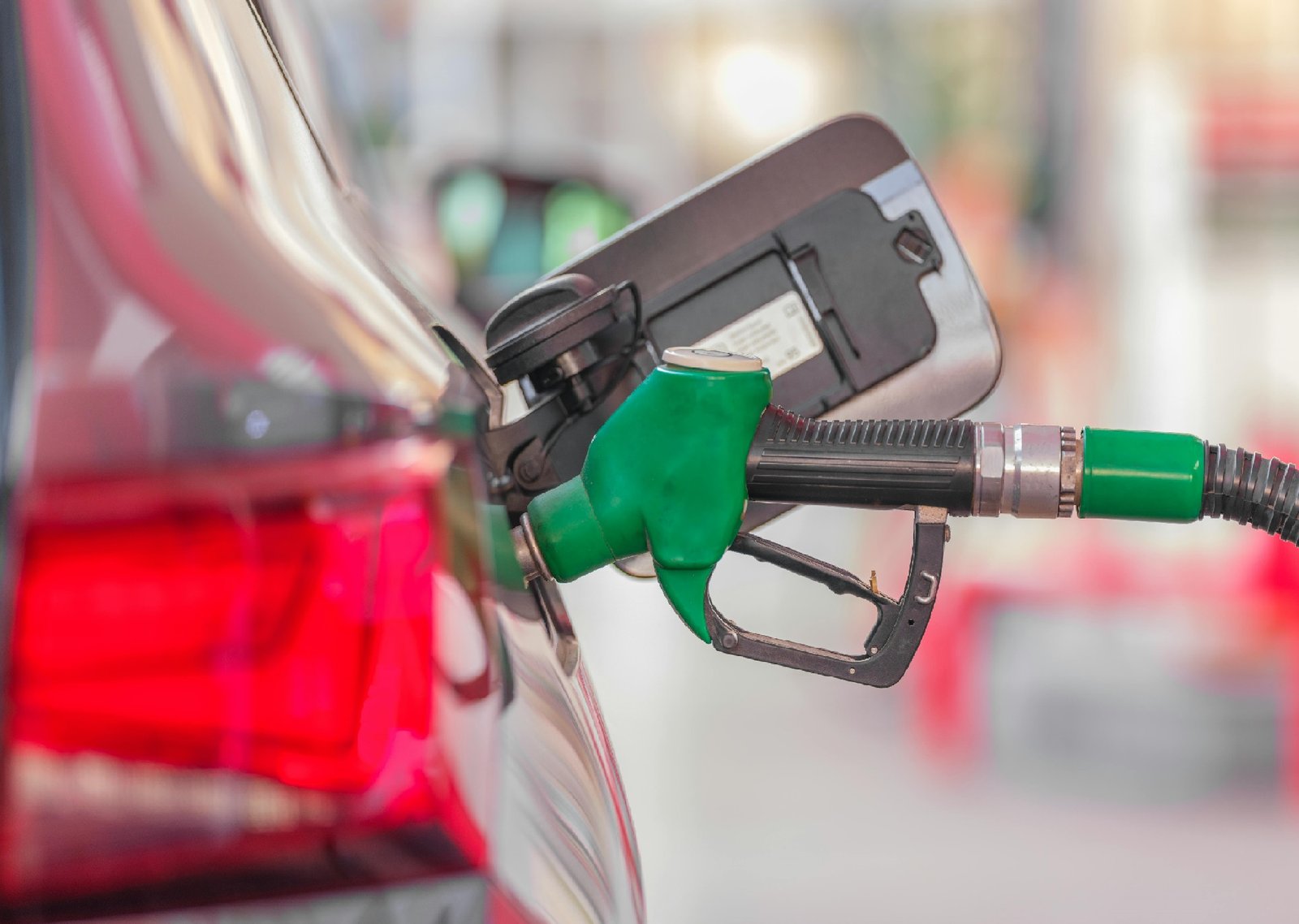
One of the key considerations for investors and homeowners in Lithuania is the cost of energy and fuel, which play a significant role in the overall expenses related to real estate ownership. The country's energy sector is predominantly based on imported fossil fuels, with natural gas, oil, and coal being the primary sources of energy. This heavy reliance on imported fuels has led to fluctuations in energy prices, making it essential for property owners to consider energy efficiency measures to mitigate the impact on their expenses. Fortunately, Lithuania has been actively working towards diversifying its energy mix and increasing the share of renewable energy sources in recent years. The country has made significant investments in wind, solar, and biomass energy projects, aiming to reduce its dependence on imported fuels and achieve greater energy security. These efforts have not only helped to lower carbon emissions but have also contributed to a more stable and sustainable energy supply for both residential and commercial properties. In the real estate sector, energy efficiency has become a priority, with many new developments incorporating green building standards and technologies to reduce energy consumption and operational costs. From energy-efficient heating and cooling systems to smart building management systems, property developers are embracing sustainable practices to attract eco-conscious buyers and tenants. Furthermore, the government of Lithuania has implemented various incentives and programs to promote energy efficiency in buildings, offering subsidies for energy audits, grants for energy-saving renovations, and tax benefits for renewable energy investments. These initiatives aim to encourage property owners to adopt energy-efficient measures and contribute to the country's overall energy transition goals. In conclusion, the intersection of fuel and energy with the Lithuanian real estate market presents challenges and opportunities for stakeholders in the industry. By prioritizing energy efficiency and sustainability practices, property owners can not only reduce their operating costs but also contribute to a more resilient and environmentally friendly real estate market in Lithuania. As the country continues its transition towards a more diversified and sustainable energy future, the real estate sector is poised to play a crucial role in shaping a more efficient and environmentally conscious built environment. Want a more profound insight? Consult https://www.culturelle.org click the following link for more information: https://www.departements.org Dropy by for a visit at the following website https://www.regionales.net Get more at https://www.lithuaniainfo.com
Leave a Comment:
SEARCH
Recent News
- Zurich, Switzerland is known for its picturesque landscapes, thriving financial sector, and strategic location in Europe. Lately, the city has been making headlines for its involvement in Russian energy deals. These deals have sparked controversy and drawn attention from various stakeholders around the world.
- Zurich, Switzerland, and Norwegian energy may seem like an unlikely pairing, but these two entities are actually connected when it comes to sustainable living and renewable energy practices. Zurich, known for its picturesque landscape, vibrant culture, and high quality of life, has been leading the way in environmental conservation and energy efficiency. On the other hand, Norway is renowned for its focus on clean and renewable energy sources, particularly hydropower.
- Zurich, Switzerland is a city known for its picturesque landscapes, high quality of life, and thriving economy. Recently, Zurich has also been making headlines in the energy sector with its growing interest and investment in Libyan energy resources.
- Zurich, Switzerland is setting the bar high when it comes to embracing green energy initiatives. With a strong commitment to sustainability and reducing carbon emissions, the city of Zurich is making impressive strides towards a greener future.
- Zurich, Switzerland is known for being a city at the forefront of sustainability and environmental awareness. In recent years, the city has been making significant strides in the production of biomass energy as a way to reduce its carbon footprint and reliance on fossil fuels.
- In the world of YouTube content creation, finding unique and engaging topics to explore can be a challenge. One intriguing subject that has been gaining attention recently is the translation of Russian energy deals. This niche area of focus offers a fascinating insight into the world of international business and energy geopolitics.
- Norwegian energy companies are making a significant impact on YouTube by creating engaging and informative content about the country's energy sector. With a focus on sustainability and innovation, these companies are using the platform to reach a global audience and promote their efforts in renewable energy production.
- YouTube Content Creation and Translation in Libyan Energy
READ MORE
10 months ago Category :

Zurich, Switzerland is known for its picturesque landscapes, thriving financial sector, and strategic location in Europe. Lately, the city has been making headlines for its involvement in Russian energy deals. These deals have sparked controversy and drawn attention from various stakeholders around the world.
Read More →10 months ago Category :

Zurich, Switzerland, and Norwegian energy may seem like an unlikely pairing, but these two entities are actually connected when it comes to sustainable living and renewable energy practices. Zurich, known for its picturesque landscape, vibrant culture, and high quality of life, has been leading the way in environmental conservation and energy efficiency. On the other hand, Norway is renowned for its focus on clean and renewable energy sources, particularly hydropower.
Read More →10 months ago Category :

Zurich, Switzerland is a city known for its picturesque landscapes, high quality of life, and thriving economy. Recently, Zurich has also been making headlines in the energy sector with its growing interest and investment in Libyan energy resources.
Read More →10 months ago Category :
