Ensuring the quality of fuel and energy sources is vital for maintaining the efficiency and reliability of various industries, from transportation to power generation. Quality assurance methods play a crucial role in verifying that fuels meet the required specifications and standards for optimal performance. In this blog post, we will explore some common quality assurance methods used in the fuel and energy industry.
Category : | Sub Category : Posted on 2025-11-03 22:25:23
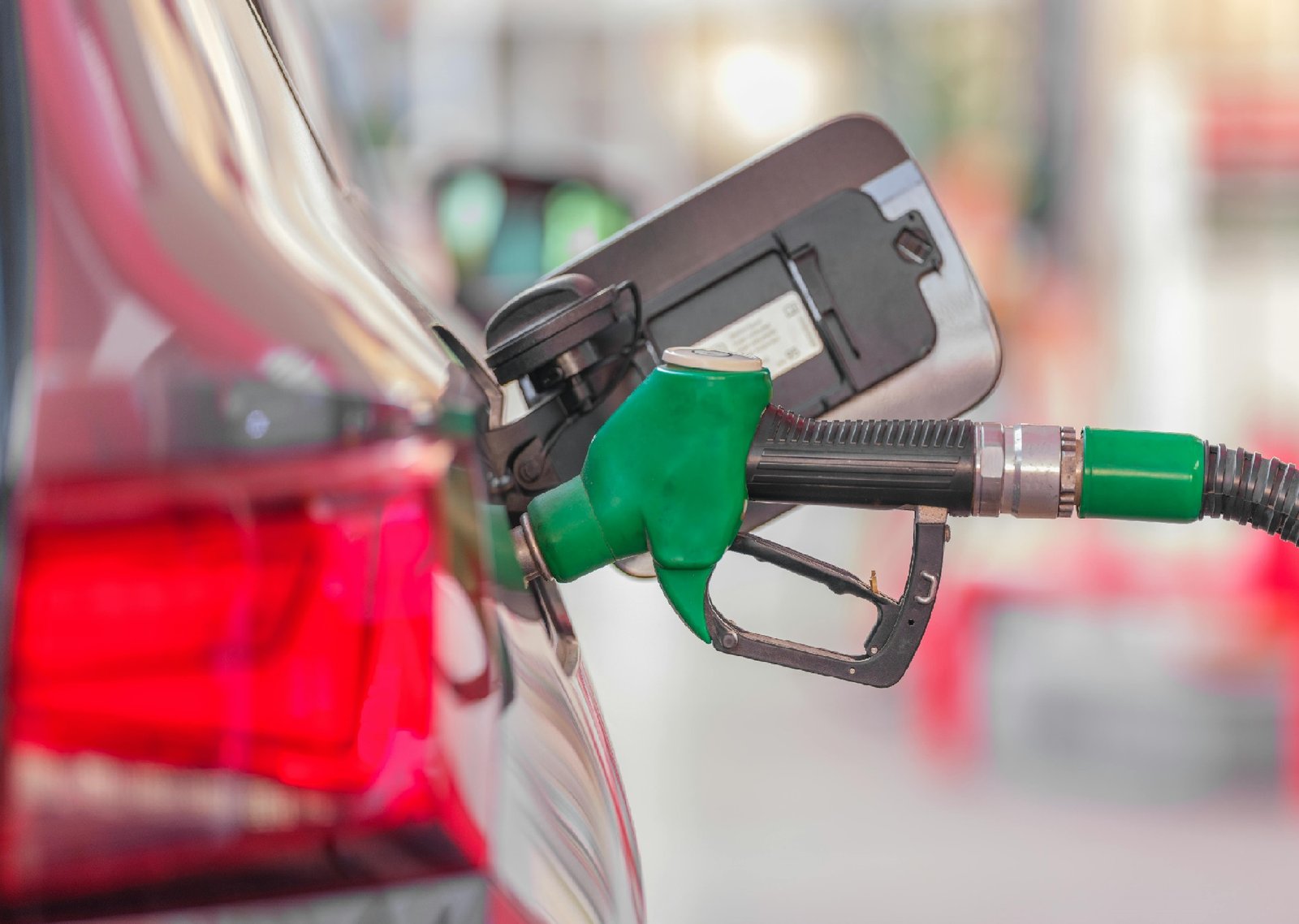
1. Testing and Analysis: One of the primary quality assurance methods for fuel and energy is testing and analysis. This involves performing various tests to analyze the composition and properties of the fuel. Tests may include examining the density, viscosity, flashpoint, sulfur content, and octane rating of gasoline, or the calorific value and ash content of coal. By conducting these tests, industry professionals can ensure that the fuel meets the necessary standards for use. 2. Sampling and Inspection: Sampling and inspection are essential quality assurance methods for fuel and energy products. Samples are collected from different batches of fuel and subjected to thorough inspection to check for any deviations from the established standards. Inspection may involve visual checks, odor assessments, and more advanced analysis techniques to identify any impurities or contaminants that could affect the quality of the fuel. 3. Certification and Compliance: Obtaining certification and ensuring compliance with regulatory standards are key quality assurance methods in the fuel and energy industry. Fuel suppliers must adhere to government regulations and industry standards to guarantee the quality and safety of their products. Certifications such as ISO certification or ASTM International standards help demonstrate that fuel products meet the required specifications and have undergone rigorous quality control processes. 4. Quality Management Systems: Implementing quality management systems is another effective method for ensuring fuel and energy quality. These systems help companies establish processes for monitoring, controlling, and improving the quality of their products. By following standardized procedures and protocols, organizations can maintain consistency and reliability in their fuel and energy offerings. 5. Preventive Maintenance: Preventive maintenance is a proactive quality assurance method that focuses on identifying and addressing potential issues before they impact the quality of fuel and energy products. Regular inspection of equipment, such as storage tanks and pipelines, can help prevent contamination or degradation of the fuel. By implementing preventive maintenance strategies, companies can uphold the integrity of their fuel and energy supply chains. In conclusion, fuel and energy quality assurance methods are crucial for ensuring that products meet the required standards for performance, safety, and environmental compliance. By employing testing, sampling, certification, quality management systems, and preventive maintenance practices, industry professionals can uphold the integrity and reliability of fuel and energy sources. Implementing robust quality assurance methods is essential for meeting consumer expectations and regulatory requirements in the dynamic fuel and energy sector. To gain a holistic understanding, refer to https://www.sunpowerpanels.com
Leave a Comment:
SEARCH
Recent News
- Zurich, Switzerland is known for its picturesque landscapes, thriving financial sector, and strategic location in Europe. Lately, the city has been making headlines for its involvement in Russian energy deals. These deals have sparked controversy and drawn attention from various stakeholders around the world.
- Zurich, Switzerland, and Norwegian energy may seem like an unlikely pairing, but these two entities are actually connected when it comes to sustainable living and renewable energy practices. Zurich, known for its picturesque landscape, vibrant culture, and high quality of life, has been leading the way in environmental conservation and energy efficiency. On the other hand, Norway is renowned for its focus on clean and renewable energy sources, particularly hydropower.
- Zurich, Switzerland is a city known for its picturesque landscapes, high quality of life, and thriving economy. Recently, Zurich has also been making headlines in the energy sector with its growing interest and investment in Libyan energy resources.
- Zurich, Switzerland is setting the bar high when it comes to embracing green energy initiatives. With a strong commitment to sustainability and reducing carbon emissions, the city of Zurich is making impressive strides towards a greener future.
- Zurich, Switzerland is known for being a city at the forefront of sustainability and environmental awareness. In recent years, the city has been making significant strides in the production of biomass energy as a way to reduce its carbon footprint and reliance on fossil fuels.
- In the world of YouTube content creation, finding unique and engaging topics to explore can be a challenge. One intriguing subject that has been gaining attention recently is the translation of Russian energy deals. This niche area of focus offers a fascinating insight into the world of international business and energy geopolitics.
- Norwegian energy companies are making a significant impact on YouTube by creating engaging and informative content about the country's energy sector. With a focus on sustainability and innovation, these companies are using the platform to reach a global audience and promote their efforts in renewable energy production.
- YouTube Content Creation and Translation in Libyan Energy
READ MORE
10 months ago Category :

Zurich, Switzerland is known for its picturesque landscapes, thriving financial sector, and strategic location in Europe. Lately, the city has been making headlines for its involvement in Russian energy deals. These deals have sparked controversy and drawn attention from various stakeholders around the world.
Read More →10 months ago Category :

Zurich, Switzerland, and Norwegian energy may seem like an unlikely pairing, but these two entities are actually connected when it comes to sustainable living and renewable energy practices. Zurich, known for its picturesque landscape, vibrant culture, and high quality of life, has been leading the way in environmental conservation and energy efficiency. On the other hand, Norway is renowned for its focus on clean and renewable energy sources, particularly hydropower.
Read More →10 months ago Category :

Zurich, Switzerland is a city known for its picturesque landscapes, high quality of life, and thriving economy. Recently, Zurich has also been making headlines in the energy sector with its growing interest and investment in Libyan energy resources.
Read More →10 months ago Category :
