Maximizing Fuel and Energy Tax Benefits: A Guide for Businesses
Category : | Sub Category : Posted on 2025-11-03 22:25:23
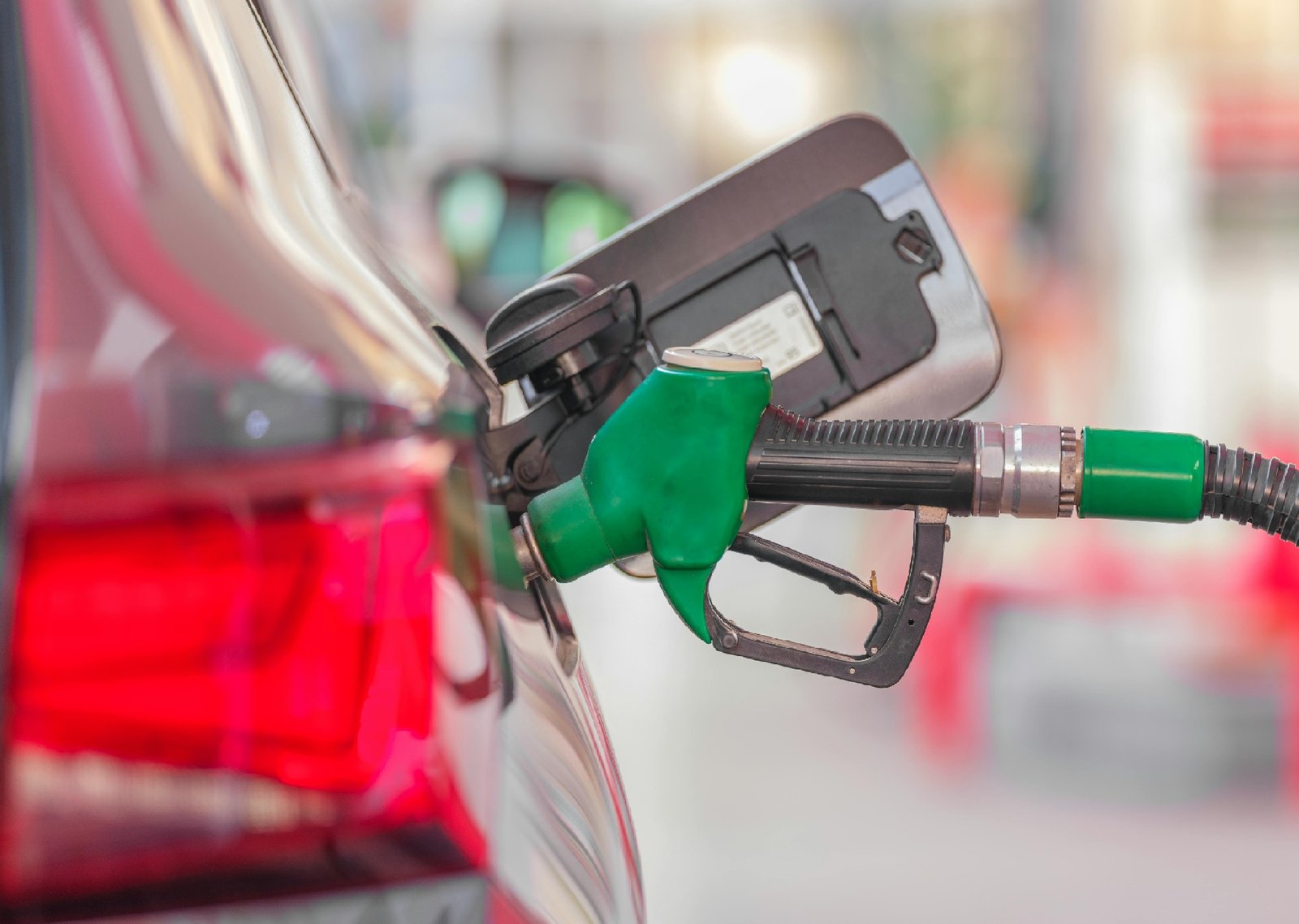
In today's world, where sustainability and efficiency are key concerns for businesses, taking advantage of fuel and energy tax benefits can be a smart financial move. These tax incentives aim to promote the use of renewable energy sources, reduce carbon emissions, and drive innovation in the energy sector. For businesses looking to maximize their tax benefits in this area, it's essential to understand the different options available and how to qualify for them. Here are some key points to consider when seeking tax benefits related to fuel and energy usage: 1. Research Tax Credits and Deductions: The government offers various tax credits and deductions for businesses that invest in renewable energy sources, energy-efficient equipment, and alternative fuels. These incentives can significantly reduce your tax liability and generate savings for your business. 2. Stay Updated on Tax Laws: Tax laws related to fuel and energy incentives are constantly evolving. It's crucial to stay informed about the latest changes and updates to ensure that you are taking full advantage of available benefits. Consulting with a tax advisor or accountant specializing in energy tax credits can help you navigate the complex regulations in this area. 3. Leverage State and Federal Programs: In addition to federal tax benefits, many states offer their own incentives for businesses that use clean energy technologies or reduce their carbon footprint. By researching and leveraging these programs, you can unlock additional savings opportunities for your business. 4. Invest in Energy-Efficient Upgrades: Upgrading your facilities with energy-efficient equipment not only helps you save on operating costs but also makes you eligible for tax benefits. By investing in technologies such as solar panels, LED lighting, or energy-efficient HVAC systems, you can qualify for tax credits while reducing your environmental impact. 5. Keep Detailed Records: When claiming fuel and energy tax benefits, maintaining accurate records is crucial. Documenting your energy usage, investments in renewable energy, and any related expenses will help you substantiate your claims and ensure compliance with tax regulations. By proactively seeking out and leveraging fuel and energy tax benefits, businesses can not only lower their tax burden but also contribute to a more sustainable future. Making informed decisions about energy usage and investments can lead to long-term financial savings and environmental benefits. Remember, maximizing tax benefits in this area requires strategic planning, ongoing monitoring of regulations, and a commitment to sustainable practices. With the right approach, businesses can reap the rewards of a greener bottom line while supporting a cleaner, more energy-efficient world. Get a comprehensive view with https://www.sanning.org Dive into the details to understand this topic thoroughly. https://www.deber.org For the latest research, visit https://www.castigo.org Get a comprehensive view with https://www.comisario.org Check this out https://www.adizione.com For additional information, refer to: https://www.coopenae.com
Leave a Comment:
SEARCH
Recent News
- Zurich, Switzerland is known for its picturesque landscapes, thriving financial sector, and strategic location in Europe. Lately, the city has been making headlines for its involvement in Russian energy deals. These deals have sparked controversy and drawn attention from various stakeholders around the world.
- Zurich, Switzerland, and Norwegian energy may seem like an unlikely pairing, but these two entities are actually connected when it comes to sustainable living and renewable energy practices. Zurich, known for its picturesque landscape, vibrant culture, and high quality of life, has been leading the way in environmental conservation and energy efficiency. On the other hand, Norway is renowned for its focus on clean and renewable energy sources, particularly hydropower.
- Zurich, Switzerland is a city known for its picturesque landscapes, high quality of life, and thriving economy. Recently, Zurich has also been making headlines in the energy sector with its growing interest and investment in Libyan energy resources.
- Zurich, Switzerland is setting the bar high when it comes to embracing green energy initiatives. With a strong commitment to sustainability and reducing carbon emissions, the city of Zurich is making impressive strides towards a greener future.
- Zurich, Switzerland is known for being a city at the forefront of sustainability and environmental awareness. In recent years, the city has been making significant strides in the production of biomass energy as a way to reduce its carbon footprint and reliance on fossil fuels.
- In the world of YouTube content creation, finding unique and engaging topics to explore can be a challenge. One intriguing subject that has been gaining attention recently is the translation of Russian energy deals. This niche area of focus offers a fascinating insight into the world of international business and energy geopolitics.
- Norwegian energy companies are making a significant impact on YouTube by creating engaging and informative content about the country's energy sector. With a focus on sustainability and innovation, these companies are using the platform to reach a global audience and promote their efforts in renewable energy production.
- YouTube Content Creation and Translation in Libyan Energy
READ MORE
10 months ago Category :

Zurich, Switzerland is known for its picturesque landscapes, thriving financial sector, and strategic location in Europe. Lately, the city has been making headlines for its involvement in Russian energy deals. These deals have sparked controversy and drawn attention from various stakeholders around the world.
Read More →10 months ago Category :

Zurich, Switzerland, and Norwegian energy may seem like an unlikely pairing, but these two entities are actually connected when it comes to sustainable living and renewable energy practices. Zurich, known for its picturesque landscape, vibrant culture, and high quality of life, has been leading the way in environmental conservation and energy efficiency. On the other hand, Norway is renowned for its focus on clean and renewable energy sources, particularly hydropower.
Read More →10 months ago Category :

Zurich, Switzerland is a city known for its picturesque landscapes, high quality of life, and thriving economy. Recently, Zurich has also been making headlines in the energy sector with its growing interest and investment in Libyan energy resources.
Read More →10 months ago Category :
