Highways and Roads: Harnessing Green Energy for a Sustainable Future
Category : | Sub Category : Posted on 2025-11-03 22:25:23
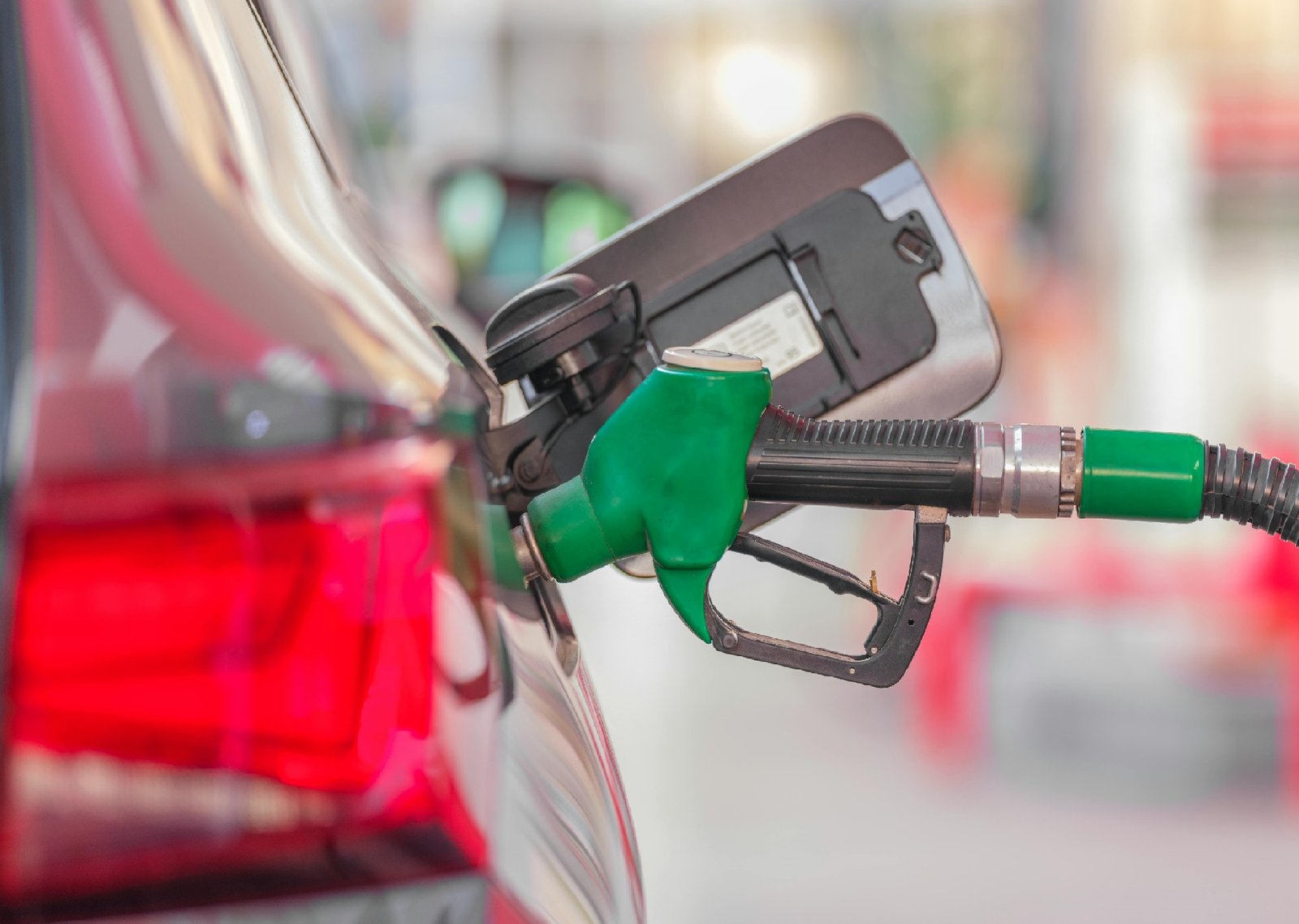
As we strive towards a more sustainable future, it is crucial to explore innovative ways to reduce our carbon footprint in every aspect of our lives, including transportation. highways and roads play a significant role in our daily lives, enabling us to travel efficiently and connect with one another. However, they also contribute significantly to greenhouse gas emissions and air pollution. To address this issue, many countries are now looking towards integrating green energy solutions into highways and roads. One of the most promising technologies in this field is the concept of smart highways, which incorporate renewable energy sources and smart technologies to create a more sustainable and efficient transportation system. These highways utilize solar panels, kinetic energy harvesting systems, and other innovative technologies to generate clean energy and reduce reliance on traditional fossil fuels. Solar panels integrated into roads and highways can generate electricity by capturing sunlight and converting it into usable energy. This energy can be used to power streetlights, traffic signals, electric vehicle charging stations, and other infrastructure along the road. By harnessing solar power, these highways not only reduce energy costs but also reduce carbon emissions and promote the use of clean energy. Another innovative approach is the use of kinetic energy harvesting systems, which capture the energy generated by vehicles as they drive over special roadways equipped with energy-capturing devices. This kinetic energy can be stored and used to power various roadside amenities, such as lighting, signage, and electric vehicle charging stations. By tapping into the energy produced by vehicles in motion, these systems help reduce energy consumption and promote sustainability. In addition to generating clean energy, smart highways can also incorporate advanced technologies to optimize traffic flow, improve safety, and enhance the overall transportation experience. Intelligent systems can monitor traffic patterns, detect accidents or congestion, and provide real-time information to drivers to help them navigate efficiently. By integrating green energy solutions with smart technologies, highways and roads can become more sustainable, resilient, and user-friendly. As we look towards a greener future, it is essential to invest in sustainable transportation infrastructure that prioritizes energy efficiency, environmental stewardship, and public well-being. By incorporating green energy solutions into highways and roads, we can reduce our carbon footprint, mitigate the impacts of climate change, and create a more sustainable and livable environment for future generations. Together, we can drive towards a cleaner, greener future by harnessing the power of highways and roads to generate clean energy and foster sustainable transportation systems.
Leave a Comment:
SEARCH
Recent News
- Zurich, Switzerland is known for its picturesque landscapes, thriving financial sector, and strategic location in Europe. Lately, the city has been making headlines for its involvement in Russian energy deals. These deals have sparked controversy and drawn attention from various stakeholders around the world.
- Zurich, Switzerland, and Norwegian energy may seem like an unlikely pairing, but these two entities are actually connected when it comes to sustainable living and renewable energy practices. Zurich, known for its picturesque landscape, vibrant culture, and high quality of life, has been leading the way in environmental conservation and energy efficiency. On the other hand, Norway is renowned for its focus on clean and renewable energy sources, particularly hydropower.
- Zurich, Switzerland is a city known for its picturesque landscapes, high quality of life, and thriving economy. Recently, Zurich has also been making headlines in the energy sector with its growing interest and investment in Libyan energy resources.
- Zurich, Switzerland is setting the bar high when it comes to embracing green energy initiatives. With a strong commitment to sustainability and reducing carbon emissions, the city of Zurich is making impressive strides towards a greener future.
- Zurich, Switzerland is known for being a city at the forefront of sustainability and environmental awareness. In recent years, the city has been making significant strides in the production of biomass energy as a way to reduce its carbon footprint and reliance on fossil fuels.
- In the world of YouTube content creation, finding unique and engaging topics to explore can be a challenge. One intriguing subject that has been gaining attention recently is the translation of Russian energy deals. This niche area of focus offers a fascinating insight into the world of international business and energy geopolitics.
- Norwegian energy companies are making a significant impact on YouTube by creating engaging and informative content about the country's energy sector. With a focus on sustainability and innovation, these companies are using the platform to reach a global audience and promote their efforts in renewable energy production.
- YouTube Content Creation and Translation in Libyan Energy
READ MORE
10 months ago Category :

Zurich, Switzerland is known for its picturesque landscapes, thriving financial sector, and strategic location in Europe. Lately, the city has been making headlines for its involvement in Russian energy deals. These deals have sparked controversy and drawn attention from various stakeholders around the world.
Read More →10 months ago Category :

Zurich, Switzerland, and Norwegian energy may seem like an unlikely pairing, but these two entities are actually connected when it comes to sustainable living and renewable energy practices. Zurich, known for its picturesque landscape, vibrant culture, and high quality of life, has been leading the way in environmental conservation and energy efficiency. On the other hand, Norway is renowned for its focus on clean and renewable energy sources, particularly hydropower.
Read More →10 months ago Category :

Zurich, Switzerland is a city known for its picturesque landscapes, high quality of life, and thriving economy. Recently, Zurich has also been making headlines in the energy sector with its growing interest and investment in Libyan energy resources.
Read More →10 months ago Category :
