Hyperinflation and its Impact on the Libyan Energy Sector
Category : | Sub Category : Posted on 2025-11-03 22:25:23
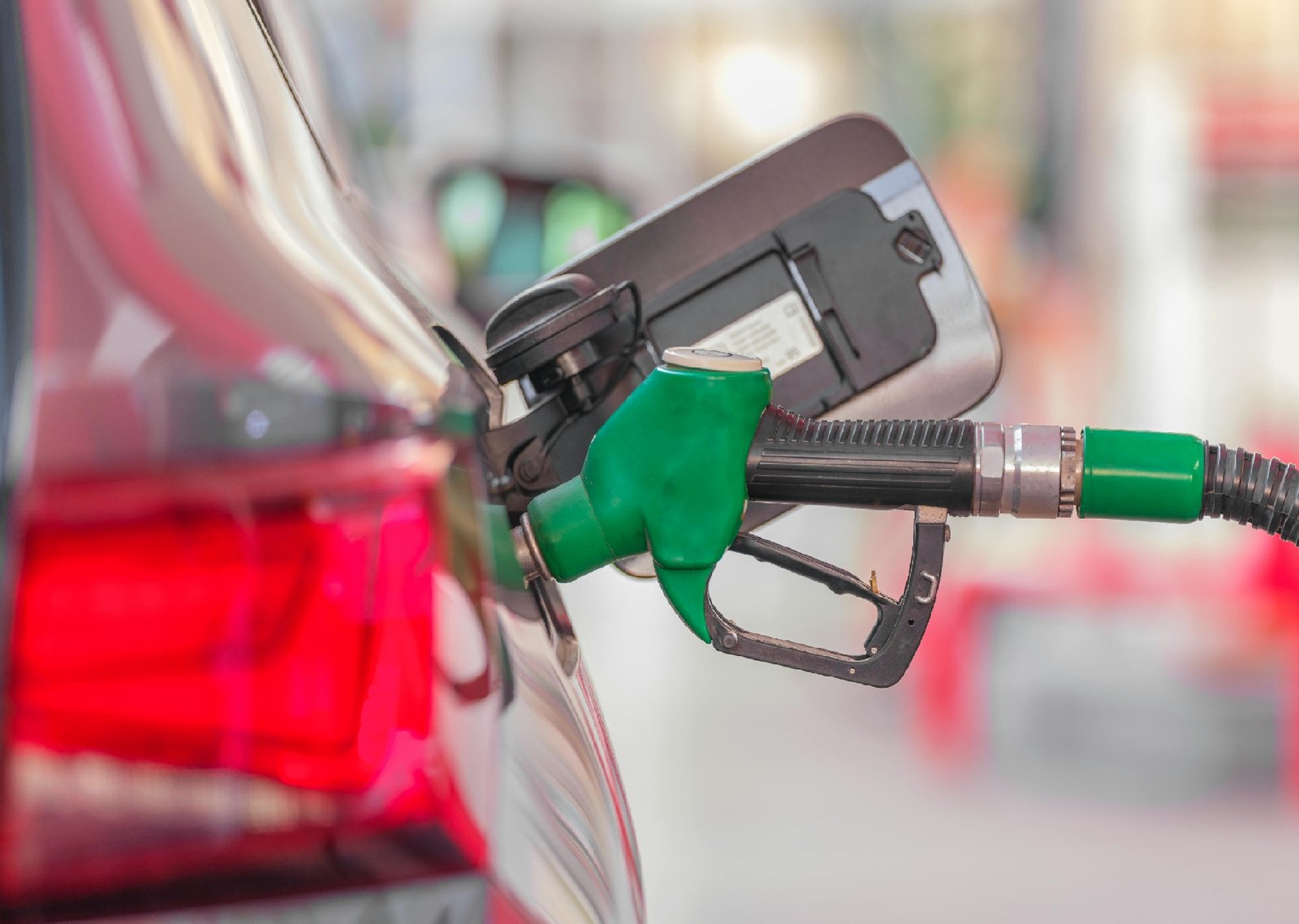
Hyperinflation is a term that strikes fear into the hearts of economists and policymakers alike. It refers to a situation where the general price level of goods and services in an economy is rapidly increasing, eroding the purchasing power of the currency. This can have devastating effects on a country's economy, leading to social unrest, poverty, and economic instability. In the case of Libya, a country already struggling with political turmoil and civil unrest, hyperinflation has further exacerbated the challenges facing the energy sector. The Libyan energy sector, particularly the oil and gas industry, is crucial to the country's economy. Oil accounts for the vast majority of Libya's export earnings and government revenue, making it a vital source of income for the country. However, hyperinflation has had a significant impact on the energy sector, affecting both production and investment in the industry. One of the major consequences of hyperinflation on the Libyan energy sector is the erosion of investment in infrastructure and exploration. Hyperinflation creates uncertainty and risk for investors, making it less attractive to invest in long-term projects such as oil exploration and production. This has led to a decline in investment in the sector, resulting in lower production levels and reduced capacity to meet domestic and international demand. Furthermore, hyperinflation has also affected the operational costs of energy companies in Libya. As the cost of goods and services increases rapidly, energy companies are faced with higher production costs, reducing their profit margins and ability to reinvest in the sector. This has a cascading effect on the entire energy value chain, limiting the sector's ability to modernize and expand its operations. In addition to the economic impact, hyperinflation in Libya has also had social consequences for the population. As the cost of basic necessities such as food and fuel skyrocket, the purchasing power of the average Libyan citizen is greatly diminished. This can lead to social unrest and discontent, further destabilizing an already fragile political situation in the country. In conclusion, hyperinflation has had a significant impact on the Libyan energy sector, affecting investment, production, and operational costs. Addressing hyperinflation requires a coordinated effort from policymakers to stabilize the economy, restore investor confidence, and promote sustainable economic growth. Only through addressing the root causes of hyperinflation can Libya hope to mitigate its impact on the energy sector and pave the way for a more stable and prosperous future. Want to expand your knowledge? Start with https://www.investigar.org For an in-depth analysis, I recommend reading https://www.sunpowerpanels.com Seeking in-depth analysis? The following is a must-read. https://www.tocongo.com Get more at https://www.toabudhabi.com Have a look at the following website to get more information https://www.cruzar.org Want to learn more? Start with: https://www.abandonar.org Check this out https://www.culturelle.org Explore this subject in detail with https://www.departements.org If you're interested in this topic, I suggest reading https://www.regionales.net this link is for more information https://www.ncciraq.com to Get more information at https://www.todamascus.com If you are interested you can check https://www.totunisia.com Want a more profound insight? Consult https://www.libyainfo.com
Leave a Comment:
SEARCH
Recent News
- Zurich, Switzerland is known for its picturesque landscapes, thriving financial sector, and strategic location in Europe. Lately, the city has been making headlines for its involvement in Russian energy deals. These deals have sparked controversy and drawn attention from various stakeholders around the world.
- Zurich, Switzerland, and Norwegian energy may seem like an unlikely pairing, but these two entities are actually connected when it comes to sustainable living and renewable energy practices. Zurich, known for its picturesque landscape, vibrant culture, and high quality of life, has been leading the way in environmental conservation and energy efficiency. On the other hand, Norway is renowned for its focus on clean and renewable energy sources, particularly hydropower.
- Zurich, Switzerland is a city known for its picturesque landscapes, high quality of life, and thriving economy. Recently, Zurich has also been making headlines in the energy sector with its growing interest and investment in Libyan energy resources.
- Zurich, Switzerland is setting the bar high when it comes to embracing green energy initiatives. With a strong commitment to sustainability and reducing carbon emissions, the city of Zurich is making impressive strides towards a greener future.
- Zurich, Switzerland is known for being a city at the forefront of sustainability and environmental awareness. In recent years, the city has been making significant strides in the production of biomass energy as a way to reduce its carbon footprint and reliance on fossil fuels.
- In the world of YouTube content creation, finding unique and engaging topics to explore can be a challenge. One intriguing subject that has been gaining attention recently is the translation of Russian energy deals. This niche area of focus offers a fascinating insight into the world of international business and energy geopolitics.
- Norwegian energy companies are making a significant impact on YouTube by creating engaging and informative content about the country's energy sector. With a focus on sustainability and innovation, these companies are using the platform to reach a global audience and promote their efforts in renewable energy production.
- YouTube Content Creation and Translation in Libyan Energy
READ MORE
10 months ago Category :

Zurich, Switzerland is known for its picturesque landscapes, thriving financial sector, and strategic location in Europe. Lately, the city has been making headlines for its involvement in Russian energy deals. These deals have sparked controversy and drawn attention from various stakeholders around the world.
Read More →10 months ago Category :

Zurich, Switzerland, and Norwegian energy may seem like an unlikely pairing, but these two entities are actually connected when it comes to sustainable living and renewable energy practices. Zurich, known for its picturesque landscape, vibrant culture, and high quality of life, has been leading the way in environmental conservation and energy efficiency. On the other hand, Norway is renowned for its focus on clean and renewable energy sources, particularly hydropower.
Read More →10 months ago Category :

Zurich, Switzerland is a city known for its picturesque landscapes, high quality of life, and thriving economy. Recently, Zurich has also been making headlines in the energy sector with its growing interest and investment in Libyan energy resources.
Read More →10 months ago Category :
