Navigating Fuel Prices: Understanding the Law and Regulations
Category : | Sub Category : Posted on 2024-11-05 22:25:23
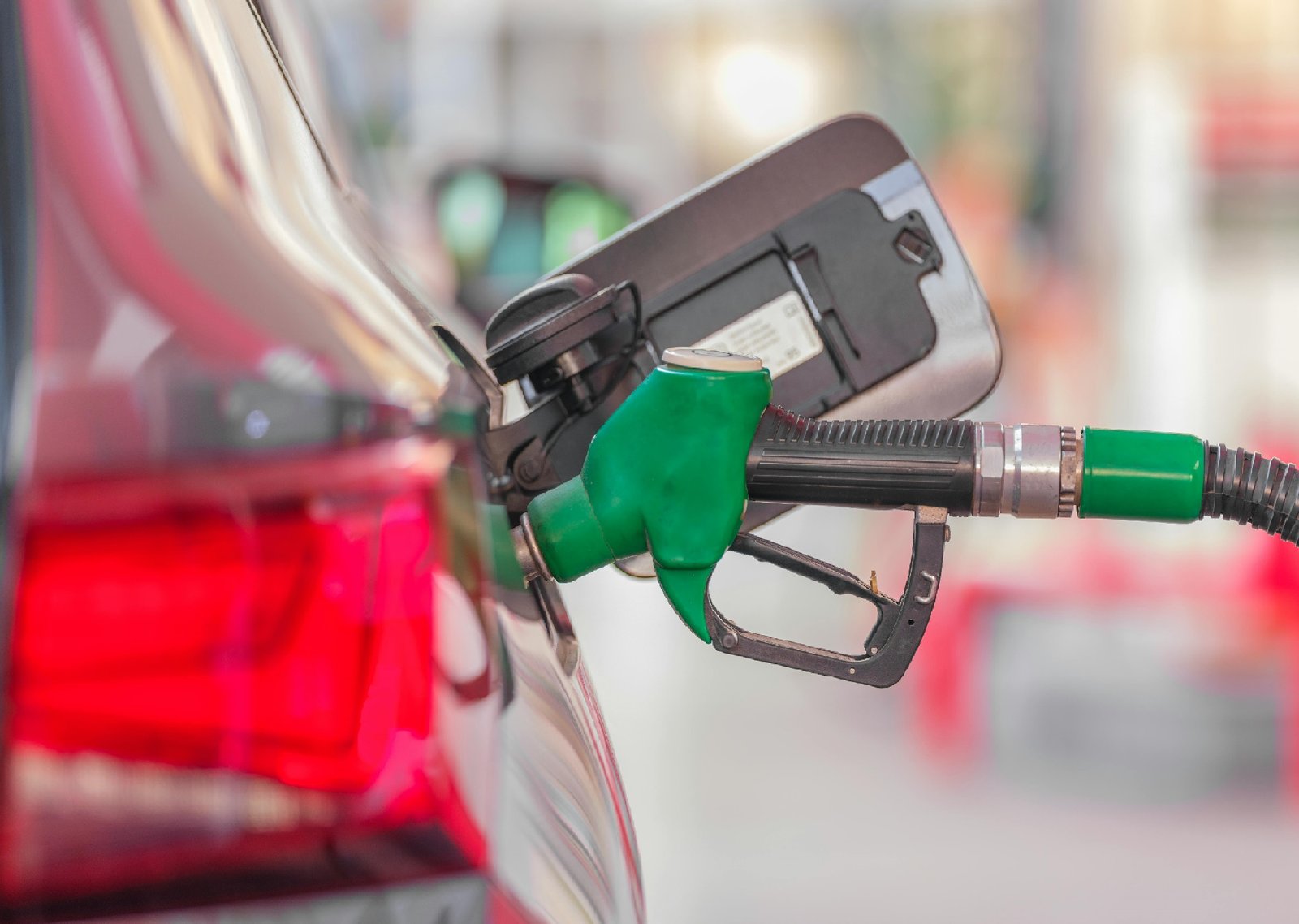
Introduction: Fuel prices play a significant role in the global economy, impacting everything from transportation costs to household budgets. Consumers and businesses alike are always looking for ways to manage and understand fuel prices. However, what many may not realize is that fuel prices are not solely determined by market forces; there are also laws and regulations that come into play. In this blog post, we will delve into how laws and regulations influence fuel prices and what you should know as a consumer or business owner. Impact of Regulations on Fuel Prices: Governments around the world impose regulations on the fuel industry for various reasons, such as environmental protection, ensuring safety standards, and promoting fair competition. These regulations can directly impact fuel prices by increasing production costs, mandating the use of specific additives, or imposing taxes and levies. For example, stringent environmental regulations may require fuel suppliers to produce cleaner-burning fuels, which could drive up prices due to additional production costs. Similarly, taxes imposed on fuel can significantly affect the final price at the pump. Price Transparency Laws: In many countries, there are laws in place to promote price transparency in the fuel industry. These laws require fuel retailers to display their prices clearly and accurately for consumers to compare. Price transparency empowers consumers to make informed decisions about where to purchase fuel, ultimately promoting competition among fuel retailers. Additionally, some jurisdictions have laws that regulate how often fuel prices can be changed, providing stability for consumers and businesses that rely on fuel. Competition Laws and Fuel Pricing: Competition laws are designed to prevent anti-competitive behavior in the fuel industry, which could lead to inflated prices for consumers. These laws typically prohibit practices such as price-fixing, market manipulation, and collusion among fuel suppliers. By promoting fair competition, these laws help ensure that consumers have access to competitive fuel prices and a range of choices in the market. International Regulations and Fuel Prices: Beyond domestic regulations, international agreements and policies can also influence fuel prices. For example, geopolitical events, trade agreements, and sanctions on oil-producing countries can impact the global supply and demand for fuel, thereby affecting prices worldwide. Changes in international relations or policies can lead to fluctuations in fuel prices, making it essential for businesses and consumers to stay informed about global developments. Conclusion: Navigating fuel prices involves understanding not only market dynamics but also the laws and regulations that shape the fuel industry. By being aware of how regulations impact fuel prices, consumers and businesses can make more informed decisions and adapt to changes in the market. From environmental regulations to competition laws, the legal landscape plays a crucial role in determining the cost of fuel. Stay informed, stay vigilant, and stay ahead of the curve when it comes to understanding fuel prices in today's complex regulatory environment.
https://sunpowerpanels.com
https://refueling.net
https://vollmacht.org
Leave a Comment:
SEARCH
Recent News
- Zurich, Switzerland is known for its picturesque landscapes, thriving financial sector, and strategic location in Europe. Lately, the city has been making headlines for its involvement in Russian energy deals. These deals have sparked controversy and drawn attention from various stakeholders around the world.
- Zurich, Switzerland, and Norwegian energy may seem like an unlikely pairing, but these two entities are actually connected when it comes to sustainable living and renewable energy practices. Zurich, known for its picturesque landscape, vibrant culture, and high quality of life, has been leading the way in environmental conservation and energy efficiency. On the other hand, Norway is renowned for its focus on clean and renewable energy sources, particularly hydropower.
- Zurich, Switzerland is a city known for its picturesque landscapes, high quality of life, and thriving economy. Recently, Zurich has also been making headlines in the energy sector with its growing interest and investment in Libyan energy resources.
- Zurich, Switzerland is setting the bar high when it comes to embracing green energy initiatives. With a strong commitment to sustainability and reducing carbon emissions, the city of Zurich is making impressive strides towards a greener future.
- Zurich, Switzerland is known for being a city at the forefront of sustainability and environmental awareness. In recent years, the city has been making significant strides in the production of biomass energy as a way to reduce its carbon footprint and reliance on fossil fuels.
- In the world of YouTube content creation, finding unique and engaging topics to explore can be a challenge. One intriguing subject that has been gaining attention recently is the translation of Russian energy deals. This niche area of focus offers a fascinating insight into the world of international business and energy geopolitics.
- Norwegian energy companies are making a significant impact on YouTube by creating engaging and informative content about the country's energy sector. With a focus on sustainability and innovation, these companies are using the platform to reach a global audience and promote their efforts in renewable energy production.
- YouTube Content Creation and Translation in Libyan Energy
READ MORE
10 months ago Category :

Zurich, Switzerland is known for its picturesque landscapes, thriving financial sector, and strategic location in Europe. Lately, the city has been making headlines for its involvement in Russian energy deals. These deals have sparked controversy and drawn attention from various stakeholders around the world.
Read More →10 months ago Category :

Zurich, Switzerland, and Norwegian energy may seem like an unlikely pairing, but these two entities are actually connected when it comes to sustainable living and renewable energy practices. Zurich, known for its picturesque landscape, vibrant culture, and high quality of life, has been leading the way in environmental conservation and energy efficiency. On the other hand, Norway is renowned for its focus on clean and renewable energy sources, particularly hydropower.
Read More →10 months ago Category :

Zurich, Switzerland is a city known for its picturesque landscapes, high quality of life, and thriving economy. Recently, Zurich has also been making headlines in the energy sector with its growing interest and investment in Libyan energy resources.
Read More →10 months ago Category :
