Navigating Law and Regulations in Russian Energy Deals
Category : | Sub Category : Posted on 2025-11-03 22:25:23
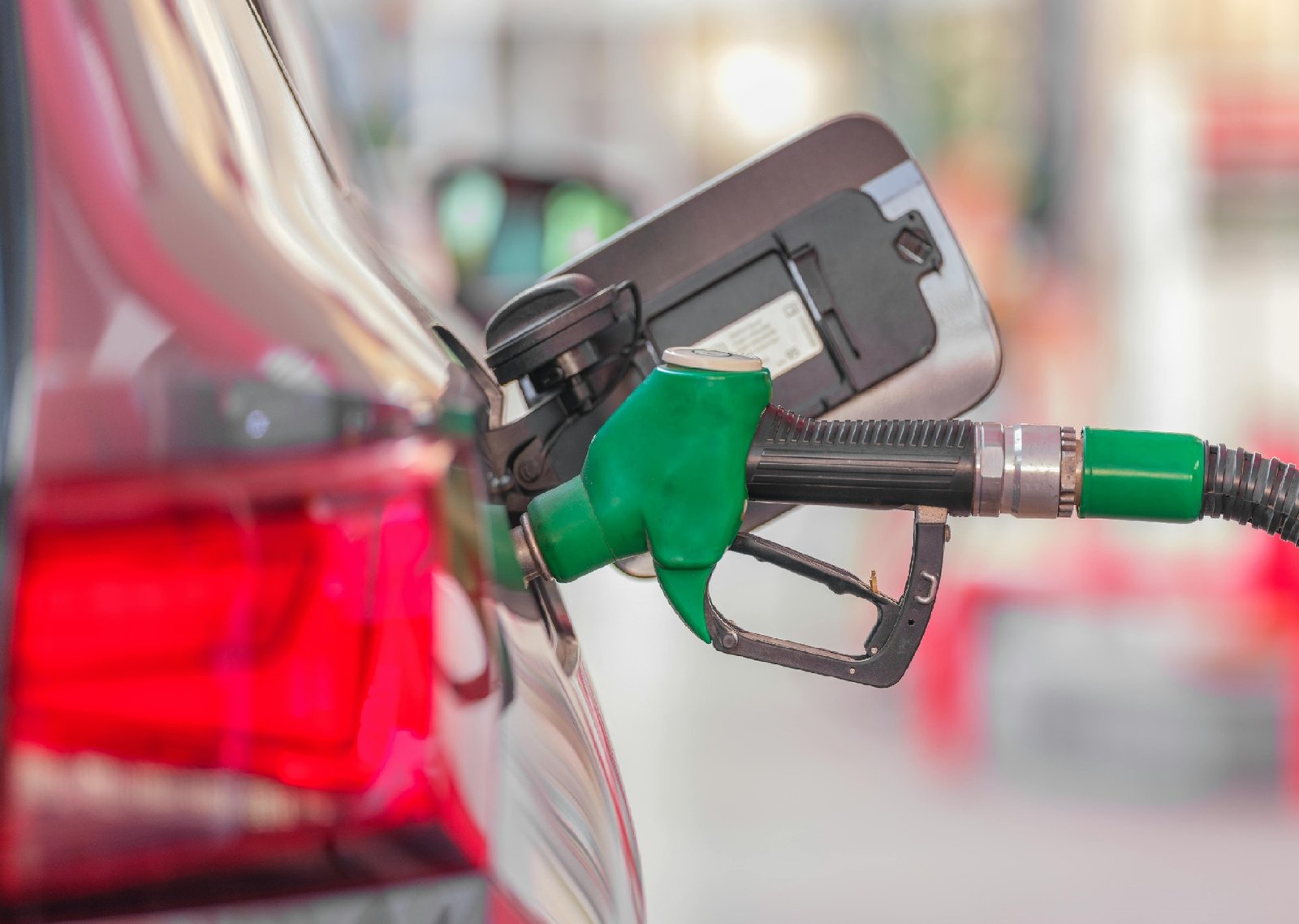
Introduction: Russia is a major player in the global Energy market, with vast reserves of oil, natural gas, and other resources. As a result, the country attracts significant foreign investment in its energy sector. However, navigating the complex legal and regulatory landscape in Russian energy deals can be challenging for foreign companies. Understanding the applicable laws and regulations is crucial for ensuring compliance and success in these transactions. Legal Framework: The legal framework governing energy deals in Russia is primarily comprised of federal laws, regulations, and industry-specific rules. The key legislation includes the Russian Constitution, the Energy Charter Treaty, and the Law on Foreign Investments in Strategic Sectors. Additionally, licensing and permitting requirements must be met for energy exploration, production, and distribution activities. Regulatory Authorities: Various regulatory bodies oversee the energy sector in Russia, including the Federal Antimonopoly Service (FAS), the Ministry of Energy, and the Federal Service for Environmental, Technological, and Nuclear Supervision (Rostekhnadzor). These agencies play a vital role in enforcing compliance with laws and regulations, issuing permits, and resolving disputes in energy deals. Foreign Investment Restrictions: Foreign companies looking to invest in the Russian energy sector must navigate restrictions on foreign ownership and control. The Law on Foreign Investments in Strategic Sectors imposes limitations on foreign ownership of assets deemed strategic to national security, such as oil and gas fields or pipelines. Obtaining approval from the government is necessary for transactions involving these assets. Dispute Resolution: Disputes in Russian energy deals are often resolved through arbitration, either domestically or internationally. The International Commercial Arbitration Court (ICAC) and the Arbitration Institute of the Stockholm Chamber of Commerce are commonly used for resolving energy-related disputes. It is essential for parties to include dispute resolution clauses in their contracts to mitigate legal uncertainties. Conclusion: Navigating the legal and regulatory aspects of Russian energy deals requires a thorough understanding of the applicable laws, regulations, and procedures. Foreign companies entering the Russian energy market must be diligent in ensuring compliance with licensing requirements, foreign investment restrictions, and dispute resolution mechanisms. By working closely with experienced legal counsel and advisors, companies can successfully navigate the complexities of energy transactions in Russia and maximize their opportunities in this lucrative market. Check the link below: https://www.comisario.org For a different angle, consider what the following has to say. https://www.abandonar.org You can also check following website for more information about this subject: https://www.culturelle.org visit: https://www.departements.org For an alternative viewpoint, explore https://www.konsultan.org Explore this subject in detail with https://www.kompromiss.org To expand your knowledge, I recommend: https://www.vollmacht.org To see the full details, click on: https://www.unian.org If you are enthusiast, check the following link https://www.regionales.net Explore this subject in detail with https://www.standardized.net also for more info https://www.newsru.org Looking for more information? Check out https://www.wokisme.com Get a comprehensive view with https://www.whymoscow.com Dropy by for a visit at https://www.prozorro.net
Leave a Comment:
SEARCH
Recent News
- Zurich, Switzerland is known for its picturesque landscapes, thriving financial sector, and strategic location in Europe. Lately, the city has been making headlines for its involvement in Russian energy deals. These deals have sparked controversy and drawn attention from various stakeholders around the world.
- Zurich, Switzerland, and Norwegian energy may seem like an unlikely pairing, but these two entities are actually connected when it comes to sustainable living and renewable energy practices. Zurich, known for its picturesque landscape, vibrant culture, and high quality of life, has been leading the way in environmental conservation and energy efficiency. On the other hand, Norway is renowned for its focus on clean and renewable energy sources, particularly hydropower.
- Zurich, Switzerland is a city known for its picturesque landscapes, high quality of life, and thriving economy. Recently, Zurich has also been making headlines in the energy sector with its growing interest and investment in Libyan energy resources.
- Zurich, Switzerland is setting the bar high when it comes to embracing green energy initiatives. With a strong commitment to sustainability and reducing carbon emissions, the city of Zurich is making impressive strides towards a greener future.
- Zurich, Switzerland is known for being a city at the forefront of sustainability and environmental awareness. In recent years, the city has been making significant strides in the production of biomass energy as a way to reduce its carbon footprint and reliance on fossil fuels.
- In the world of YouTube content creation, finding unique and engaging topics to explore can be a challenge. One intriguing subject that has been gaining attention recently is the translation of Russian energy deals. This niche area of focus offers a fascinating insight into the world of international business and energy geopolitics.
- Norwegian energy companies are making a significant impact on YouTube by creating engaging and informative content about the country's energy sector. With a focus on sustainability and innovation, these companies are using the platform to reach a global audience and promote their efforts in renewable energy production.
- YouTube Content Creation and Translation in Libyan Energy
READ MORE
10 months ago Category :

Zurich, Switzerland is known for its picturesque landscapes, thriving financial sector, and strategic location in Europe. Lately, the city has been making headlines for its involvement in Russian energy deals. These deals have sparked controversy and drawn attention from various stakeholders around the world.
Read More →10 months ago Category :

Zurich, Switzerland, and Norwegian energy may seem like an unlikely pairing, but these two entities are actually connected when it comes to sustainable living and renewable energy practices. Zurich, known for its picturesque landscape, vibrant culture, and high quality of life, has been leading the way in environmental conservation and energy efficiency. On the other hand, Norway is renowned for its focus on clean and renewable energy sources, particularly hydropower.
Read More →10 months ago Category :

Zurich, Switzerland is a city known for its picturesque landscapes, high quality of life, and thriving economy. Recently, Zurich has also been making headlines in the energy sector with its growing interest and investment in Libyan energy resources.
Read More →10 months ago Category :
