Navigating Misinformation with Critical Thinking for Better Fuel Efficiency
Category : | Sub Category : Posted on 2024-11-05 22:25:23
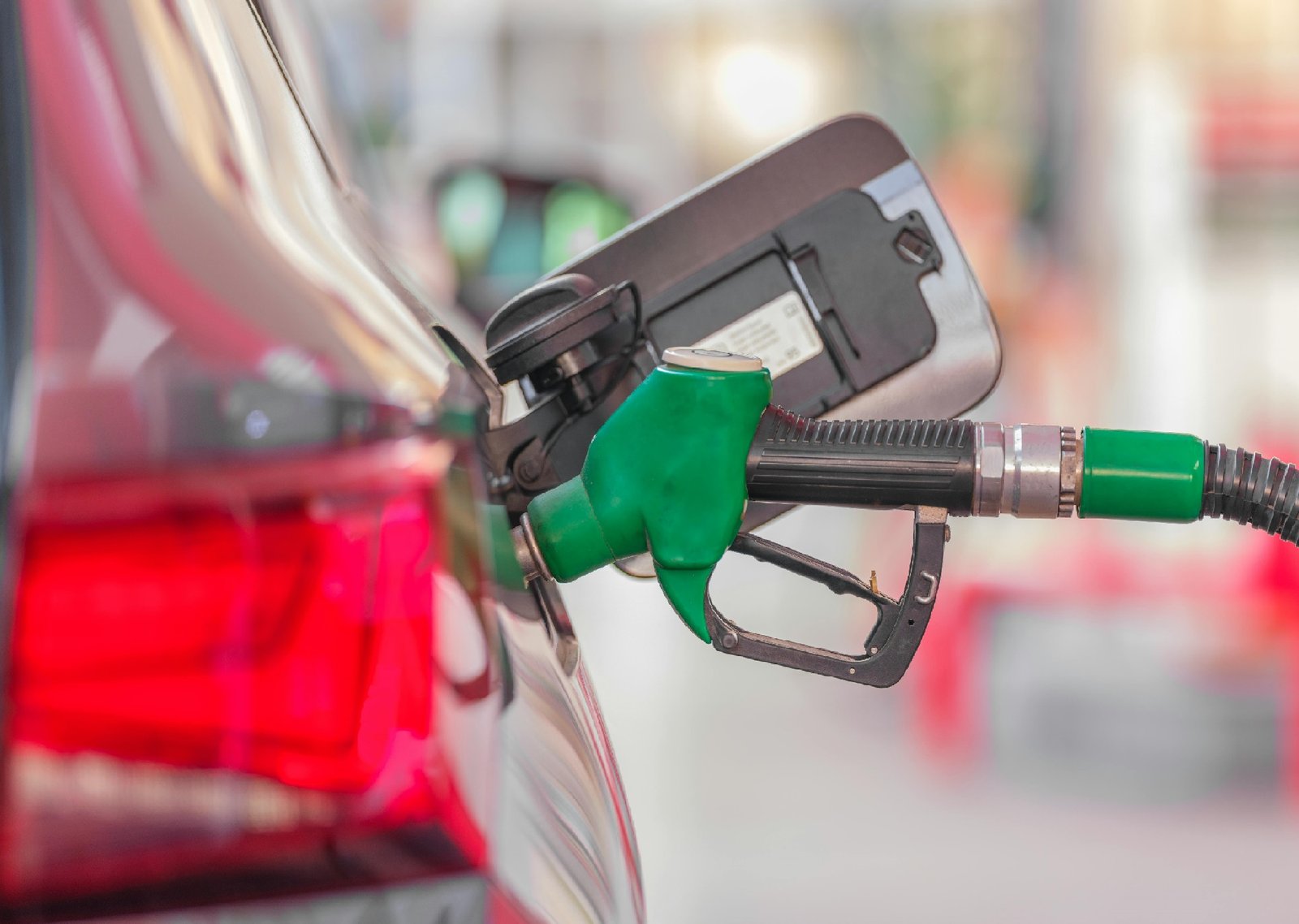
In today's information age, misinformation spreads like wildfire, affecting various aspects of our lives, including decisions related to fuel efficiency. As consumers, it is crucial to develop strong critical thinking skills to sift through the noise and make informed choices when it comes to maximizing fuel efficiency. Misinformation about fuel efficiency can come from various sources, such as misleading advertisements, biased opinions, or inaccurate data. For example, some products may claim to improve fuel efficiency significantly, but upon closer scrutiny, their claims may not be substantiated by scientific evidence. In other cases, conflicting advice from different sources can leave consumers confused about the most effective ways to enhance their vehicle's fuel economy. To navigate this landscape of misinformation, it is essential to hone critical thinking skills that allow us to evaluate information critically and make rational decisions. Here are some strategies to apply critical thinking when seeking to improve fuel efficiency: 1. Verify the Source: When encountering information about fuel efficiency, ensure that it comes from reputable sources such as scientific studies, government websites, or trusted automotive experts. Be wary of claims that seem too good to be true or lack credible backing. 2. Question Assumptions: Instead of accepting information at face value, ask questions to uncover potential biases or hidden agendas. Consider the motives behind the information being presented and whether it aligns with objective facts. 3. Look for Consensus: Seek out multiple sources and perspectives on fuel efficiency-related topics to identify common themes and areas of agreement. Consensus among experts can provide a more reliable basis for making decisions. 4. Consider the Context: Understand that factors such as driving conditions, vehicle maintenance, and individual driving habits can influence fuel efficiency. Evaluate how the information provided applies to your specific situation. 5. Test and Evaluate: Experiment with different fuel-saving techniques or products in a controlled manner to assess their impact on your vehicle's efficiency. Use objective measurements, such as tracking fuel consumption over time, to determine effectiveness. By applying critical thinking skills, consumers can separate fact from fiction when it comes to fuel efficiency and make informed choices that benefit both their wallets and the environment. In a world inundated with misinformation, developing the ability to think critically is key to navigating complex issues such as maximizing fuel efficiency.
https://sunpowerpanels.com
https://refueling.net
Leave a Comment:
SEARCH
Recent News
- Zurich, Switzerland is known for its picturesque landscapes, thriving financial sector, and strategic location in Europe. Lately, the city has been making headlines for its involvement in Russian energy deals. These deals have sparked controversy and drawn attention from various stakeholders around the world.
- Zurich, Switzerland, and Norwegian energy may seem like an unlikely pairing, but these two entities are actually connected when it comes to sustainable living and renewable energy practices. Zurich, known for its picturesque landscape, vibrant culture, and high quality of life, has been leading the way in environmental conservation and energy efficiency. On the other hand, Norway is renowned for its focus on clean and renewable energy sources, particularly hydropower.
- Zurich, Switzerland is a city known for its picturesque landscapes, high quality of life, and thriving economy. Recently, Zurich has also been making headlines in the energy sector with its growing interest and investment in Libyan energy resources.
- Zurich, Switzerland is setting the bar high when it comes to embracing green energy initiatives. With a strong commitment to sustainability and reducing carbon emissions, the city of Zurich is making impressive strides towards a greener future.
- Zurich, Switzerland is known for being a city at the forefront of sustainability and environmental awareness. In recent years, the city has been making significant strides in the production of biomass energy as a way to reduce its carbon footprint and reliance on fossil fuels.
- In the world of YouTube content creation, finding unique and engaging topics to explore can be a challenge. One intriguing subject that has been gaining attention recently is the translation of Russian energy deals. This niche area of focus offers a fascinating insight into the world of international business and energy geopolitics.
- Norwegian energy companies are making a significant impact on YouTube by creating engaging and informative content about the country's energy sector. With a focus on sustainability and innovation, these companies are using the platform to reach a global audience and promote their efforts in renewable energy production.
- YouTube Content Creation and Translation in Libyan Energy
READ MORE
10 months ago Category :

Zurich, Switzerland is known for its picturesque landscapes, thriving financial sector, and strategic location in Europe. Lately, the city has been making headlines for its involvement in Russian energy deals. These deals have sparked controversy and drawn attention from various stakeholders around the world.
Read More →10 months ago Category :

Zurich, Switzerland, and Norwegian energy may seem like an unlikely pairing, but these two entities are actually connected when it comes to sustainable living and renewable energy practices. Zurich, known for its picturesque landscape, vibrant culture, and high quality of life, has been leading the way in environmental conservation and energy efficiency. On the other hand, Norway is renowned for its focus on clean and renewable energy sources, particularly hydropower.
Read More →10 months ago Category :

Zurich, Switzerland is a city known for its picturesque landscapes, high quality of life, and thriving economy. Recently, Zurich has also been making headlines in the energy sector with its growing interest and investment in Libyan energy resources.
Read More →10 months ago Category :
