Improving Fuel Efficiency in Nigeria: Strategies for a Sustainable Future
Category : | Sub Category : Posted on 2024-11-05 22:25:23
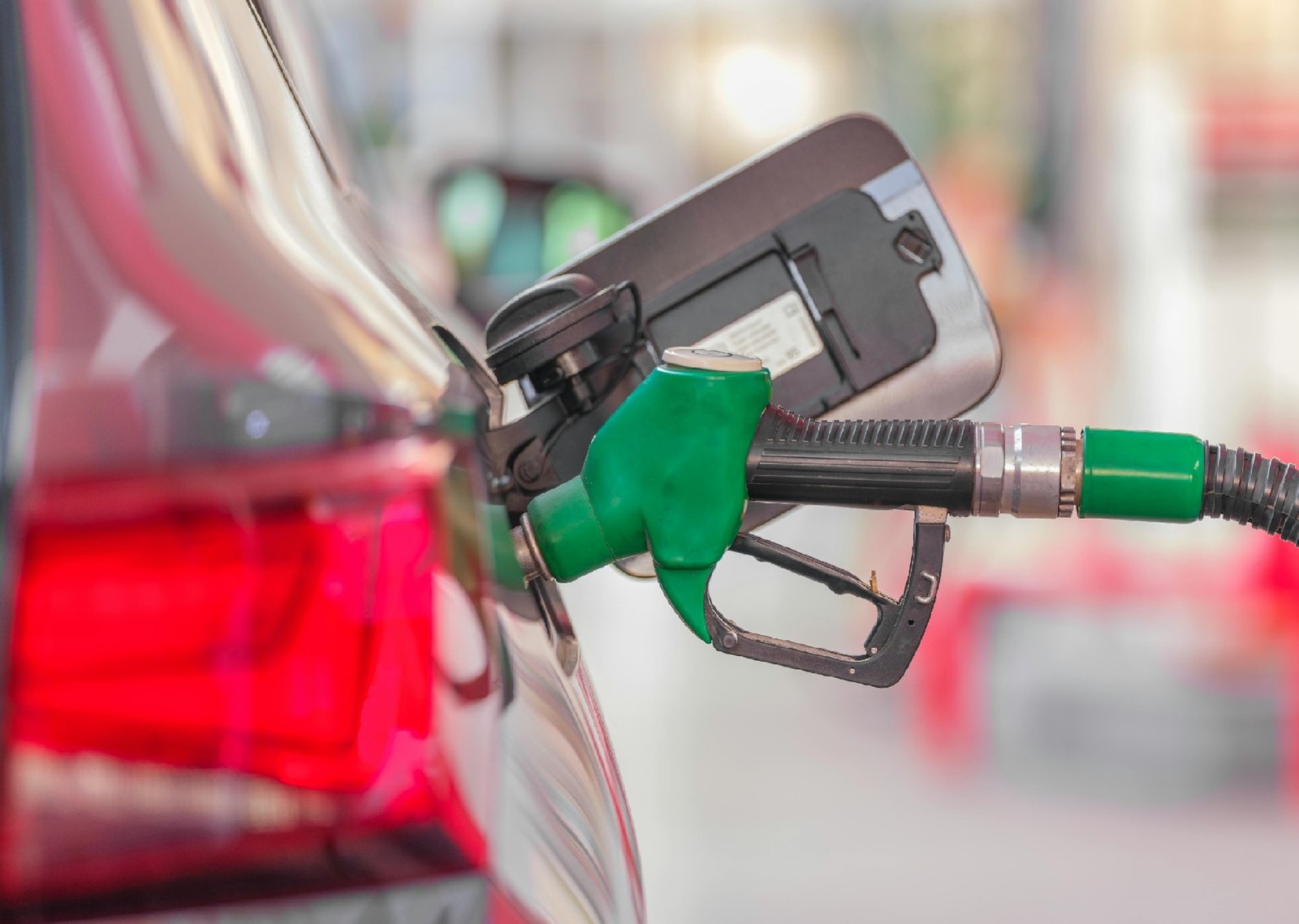
Introduction: In Nigeria, fuel efficiency is a crucial issue that impacts both the economy and the environment. With the rising costs of fuel and concerns about climate change, finding ways to improve fuel efficiency has never been more important. In this blog post, we will explore the current state of fuel efficiency in Nigeria and discuss strategies for achieving a more sustainable future. Current State of Fuel Efficiency in Nigeria: Nigeria is a country heavily reliant on fossil fuels, with a significant portion of its energy consumption coming from petrol and diesel. This overreliance on conventional fuels has contributed to high levels of pollution and greenhouse gas emissions. In addition, the inefficiency of many vehicles on the road further exacerbates the problem, leading to increased fuel consumption and higher transportation costs for businesses and individuals alike. Strategies for Improving Fuel Efficiency: 1. Embracing Alternative Fuels: One of the most effective ways to improve fuel efficiency in Nigeria is to transition to alternative fuels such as compressed natural gas (CNG) or liquefied petroleum gas (LPG). These cleaner-burning fuels not only reduce greenhouse gas emissions but also offer cost savings to consumers in the long run. 2. Promoting Electric Vehicles: The adoption of electric vehicles (EVs) presents a promising solution to reduce fuel consumption and emissions in Nigeria. By incentivizing the purchase and use of EVs through subsidies and infrastructure development, the country can make significant strides towards a more sustainable transportation sector. 3. Investing in Public Transportation: Improving the efficiency of public transportation systems is another key strategy for reducing fuel consumption in Nigeria. By investing in modern, fuel-efficient buses and trains, the government can encourage more people to use public transport, thereby reducing the number of cars on the road and lowering overall fuel consumption. 4. Implementing Fuel Efficiency Standards: Establishing and enforcing fuel efficiency standards for vehicles in Nigeria is essential to promoting the adoption of more efficient technologies. By mandating that car manufacturers meet certain fuel efficiency targets, the country can ensure that new vehicles entering the market are more environmentally friendly and cost-effective to operate. Conclusion: Improving fuel efficiency in Nigeria is a complex but necessary task that requires a multi-faceted approach. By embracing alternative fuels, promoting electric vehicles, investing in public transportation, and implementing fuel efficiency standards, the country can work towards a more sustainable future that benefits both the economy and the environment. It is crucial for stakeholders at all levels – from policymakers to consumers – to collaborate and take action to achieve this common goal.
https://sunpowerpanels.com
https://refueling.net
Leave a Comment:
SEARCH
Recent News
- Zurich, Switzerland is known for its picturesque landscapes, thriving financial sector, and strategic location in Europe. Lately, the city has been making headlines for its involvement in Russian energy deals. These deals have sparked controversy and drawn attention from various stakeholders around the world.
- Zurich, Switzerland, and Norwegian energy may seem like an unlikely pairing, but these two entities are actually connected when it comes to sustainable living and renewable energy practices. Zurich, known for its picturesque landscape, vibrant culture, and high quality of life, has been leading the way in environmental conservation and energy efficiency. On the other hand, Norway is renowned for its focus on clean and renewable energy sources, particularly hydropower.
- Zurich, Switzerland is a city known for its picturesque landscapes, high quality of life, and thriving economy. Recently, Zurich has also been making headlines in the energy sector with its growing interest and investment in Libyan energy resources.
- Zurich, Switzerland is setting the bar high when it comes to embracing green energy initiatives. With a strong commitment to sustainability and reducing carbon emissions, the city of Zurich is making impressive strides towards a greener future.
- Zurich, Switzerland is known for being a city at the forefront of sustainability and environmental awareness. In recent years, the city has been making significant strides in the production of biomass energy as a way to reduce its carbon footprint and reliance on fossil fuels.
- In the world of YouTube content creation, finding unique and engaging topics to explore can be a challenge. One intriguing subject that has been gaining attention recently is the translation of Russian energy deals. This niche area of focus offers a fascinating insight into the world of international business and energy geopolitics.
- Norwegian energy companies are making a significant impact on YouTube by creating engaging and informative content about the country's energy sector. With a focus on sustainability and innovation, these companies are using the platform to reach a global audience and promote their efforts in renewable energy production.
- YouTube Content Creation and Translation in Libyan Energy
READ MORE
10 months ago Category :

Zurich, Switzerland is known for its picturesque landscapes, thriving financial sector, and strategic location in Europe. Lately, the city has been making headlines for its involvement in Russian energy deals. These deals have sparked controversy and drawn attention from various stakeholders around the world.
Read More →10 months ago Category :

Zurich, Switzerland, and Norwegian energy may seem like an unlikely pairing, but these two entities are actually connected when it comes to sustainable living and renewable energy practices. Zurich, known for its picturesque landscape, vibrant culture, and high quality of life, has been leading the way in environmental conservation and energy efficiency. On the other hand, Norway is renowned for its focus on clean and renewable energy sources, particularly hydropower.
Read More →10 months ago Category :

Zurich, Switzerland is a city known for its picturesque landscapes, high quality of life, and thriving economy. Recently, Zurich has also been making headlines in the energy sector with its growing interest and investment in Libyan energy resources.
Read More →10 months ago Category :
