Understanding the Impact of Fuel Prices in Nigeria
Category : | Sub Category : Posted on 2024-11-05 22:25:23
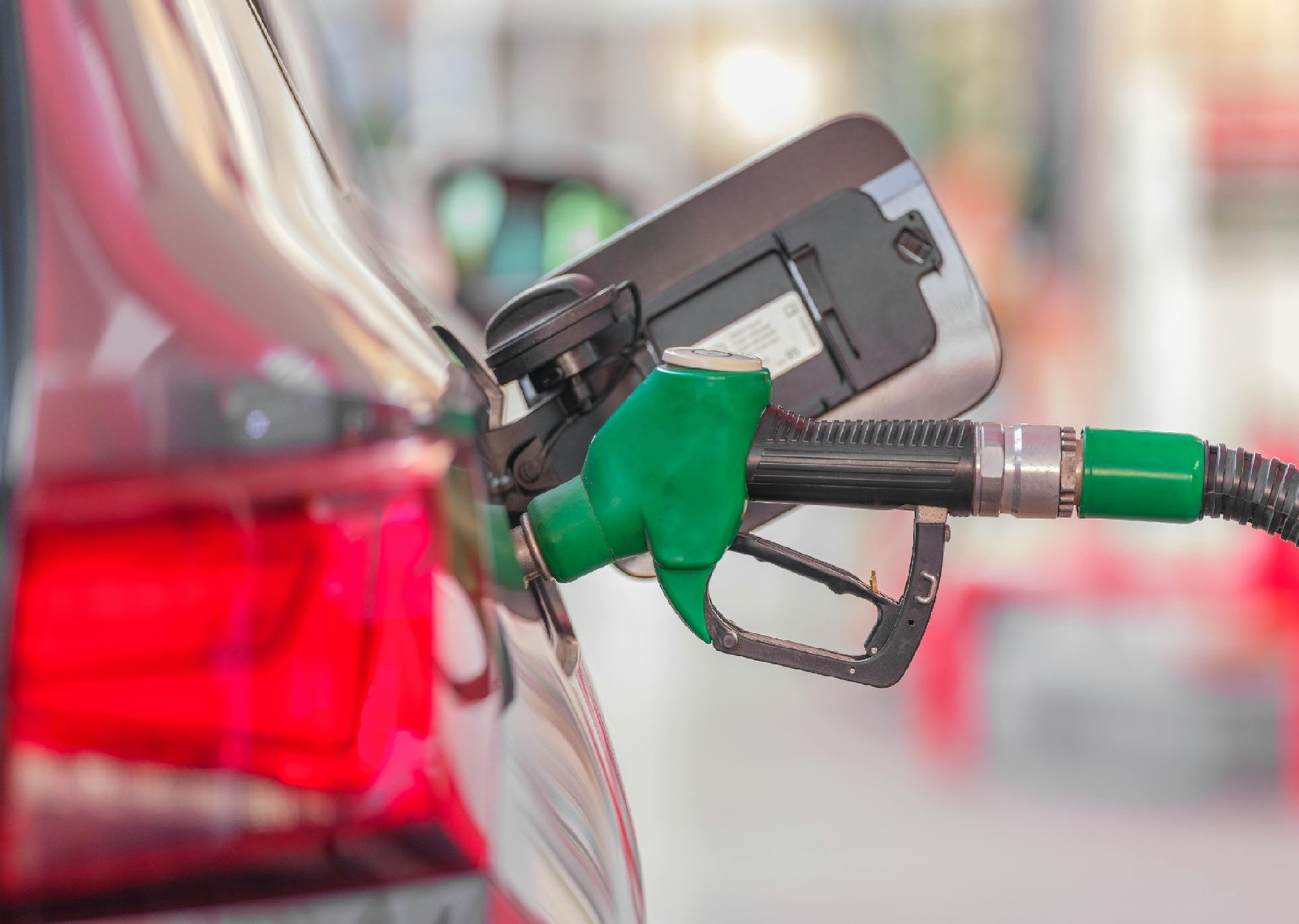
Fuel prices play a significant role in the economic landscape of Nigeria, a country highly dependent on oil for revenue and energy needs. The fluctuation of fuel prices can have far-reaching consequences on various aspects of the Nigerian economy and society. In this blog post, we will delve into the intricacies of fuel prices in Nigeria and explore their impact. Nigeria is a major oil-producing country and is heavily reliant on oil exports for its economic prosperity. As a result, changes in global oil prices directly influence fuel prices within the country. Fluctuations in fuel prices can have several implications for the Nigerian economy, including inflationary pressures, transportation costs, and overall cost of living for citizens. One of the most immediate impacts of fuel price increases in Nigeria is on transportation costs. The majority of Nigerians rely on public transportation or motorcycles, known as okadas, for their daily commute. Any increase in fuel prices leads to higher transportation costs, which can disproportionately affect low-income earners who spend a significant portion of their income on transportation. Moreover, the increased cost of fuel can also drive up prices of goods and services across the board. Transportation costs are a key component of the supply chain, and any increase in fuel prices can result in higher prices for essential commodities such as food and household items. This, in turn, can contribute to inflation and erode the purchasing power of consumers. Furthermore, rising fuel prices can also impact businesses and industries in Nigeria. Many businesses rely on diesel generators for power due to the inconsistent electricity supply in the country. An increase in diesel prices can lead to higher operating costs for businesses, which may ultimately be passed on to consumers in the form of higher prices for goods and services. In recent years, the Nigerian government has implemented fuel subsidy programs to mitigate the impact of fluctuating fuel prices on its citizens. However, these subsidies come at a significant cost to the government and can create fiscal challenges. Removing or reducing fuel subsidies is a complex and politically sensitive issue that requires careful consideration to avoid social unrest and economic instability. In conclusion, fuel prices in Nigeria have a profound impact on the economy, society, and daily lives of its citizens. The government must strike a delicate balance between ensuring energy affordability for its citizens and maintaining a sustainable fiscal environment. Understanding the complexities of fuel prices in Nigeria is crucial for policymakers and stakeholders to develop effective strategies that promote economic growth and stability.
https://sunpowerpanels.com
https://refueling.net
Leave a Comment:
SEARCH
Recent News
- Zurich, Switzerland is known for its picturesque landscapes, thriving financial sector, and strategic location in Europe. Lately, the city has been making headlines for its involvement in Russian energy deals. These deals have sparked controversy and drawn attention from various stakeholders around the world.
- Zurich, Switzerland, and Norwegian energy may seem like an unlikely pairing, but these two entities are actually connected when it comes to sustainable living and renewable energy practices. Zurich, known for its picturesque landscape, vibrant culture, and high quality of life, has been leading the way in environmental conservation and energy efficiency. On the other hand, Norway is renowned for its focus on clean and renewable energy sources, particularly hydropower.
- Zurich, Switzerland is a city known for its picturesque landscapes, high quality of life, and thriving economy. Recently, Zurich has also been making headlines in the energy sector with its growing interest and investment in Libyan energy resources.
- Zurich, Switzerland is setting the bar high when it comes to embracing green energy initiatives. With a strong commitment to sustainability and reducing carbon emissions, the city of Zurich is making impressive strides towards a greener future.
- Zurich, Switzerland is known for being a city at the forefront of sustainability and environmental awareness. In recent years, the city has been making significant strides in the production of biomass energy as a way to reduce its carbon footprint and reliance on fossil fuels.
- In the world of YouTube content creation, finding unique and engaging topics to explore can be a challenge. One intriguing subject that has been gaining attention recently is the translation of Russian energy deals. This niche area of focus offers a fascinating insight into the world of international business and energy geopolitics.
- Norwegian energy companies are making a significant impact on YouTube by creating engaging and informative content about the country's energy sector. With a focus on sustainability and innovation, these companies are using the platform to reach a global audience and promote their efforts in renewable energy production.
- YouTube Content Creation and Translation in Libyan Energy
READ MORE
10 months ago Category :

Zurich, Switzerland is known for its picturesque landscapes, thriving financial sector, and strategic location in Europe. Lately, the city has been making headlines for its involvement in Russian energy deals. These deals have sparked controversy and drawn attention from various stakeholders around the world.
Read More →10 months ago Category :

Zurich, Switzerland, and Norwegian energy may seem like an unlikely pairing, but these two entities are actually connected when it comes to sustainable living and renewable energy practices. Zurich, known for its picturesque landscape, vibrant culture, and high quality of life, has been leading the way in environmental conservation and energy efficiency. On the other hand, Norway is renowned for its focus on clean and renewable energy sources, particularly hydropower.
Read More →10 months ago Category :

Zurich, Switzerland is a city known for its picturesque landscapes, high quality of life, and thriving economy. Recently, Zurich has also been making headlines in the energy sector with its growing interest and investment in Libyan energy resources.
Read More →10 months ago Category :
