A Comparison of Energy Products in Libya
Category : | Sub Category : Posted on 2025-11-03 22:25:23
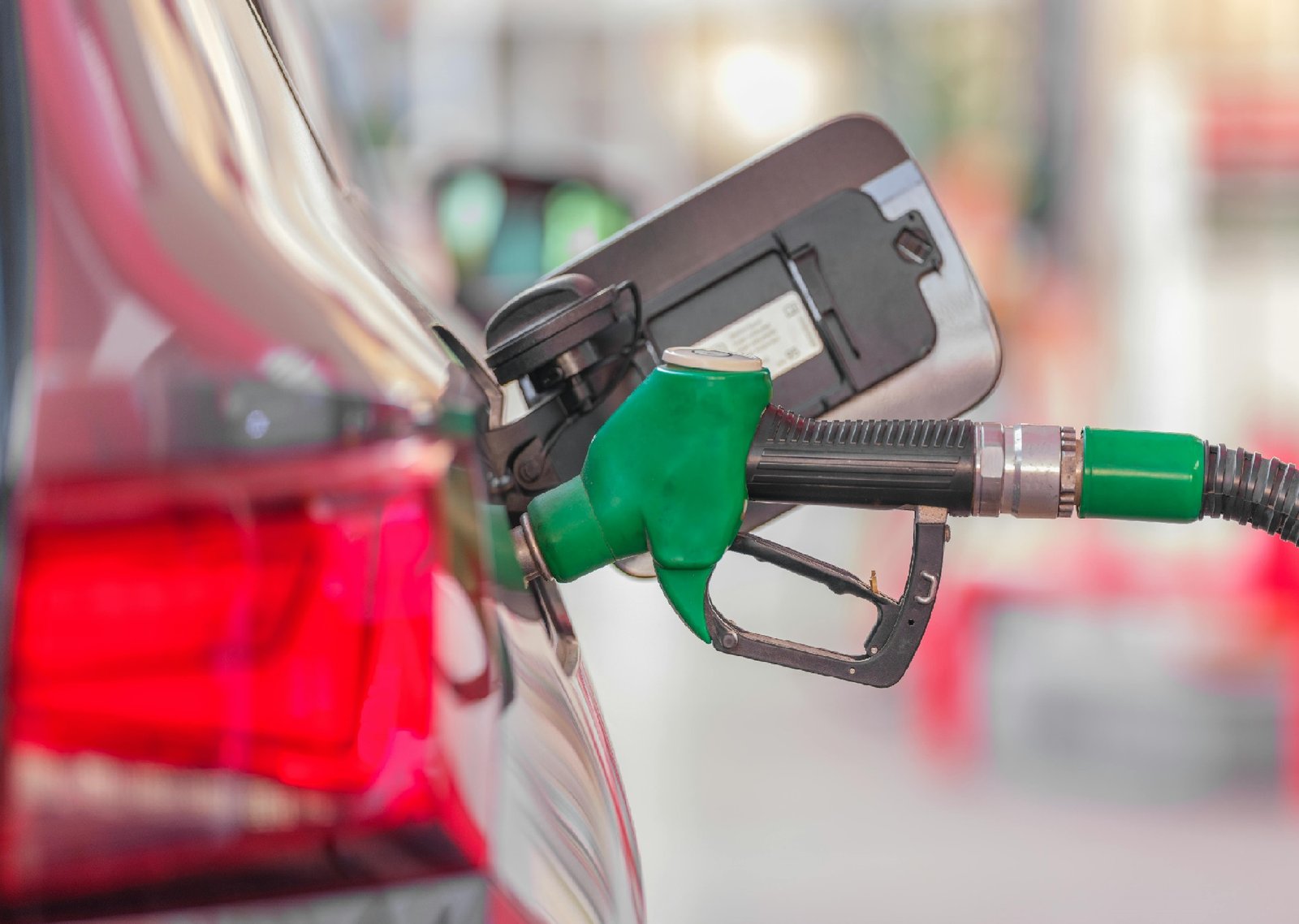
When it comes to energy products in Libya, there are several options to consider. In this article, we will compare the various energy products available in the country, highlighting their benefits and drawbacks. 1. Oil and Gas: Libya is known for its abundant reserves of oil and natural gas. These products are the backbone of the country's economy, with oil exports accounting for a significant portion of government revenue. While oil and gas provide a reliable source of energy, they are also subject to price fluctuations in the global market. 2. Solar Energy: With its sunny climate, Libya has great potential for solar energy production. Solar panels can be used to harness the power of the sun and generate electricity for both residential and commercial purposes. Solar energy is clean, renewable, and helps reduce carbon emissions. However, the initial investment required for solar panel installation can be expensive. 3. Wind Energy: Another renewable energy source that is gaining popularity in Libya is wind energy. The country's coastal areas are ideal for wind farms, which can generate electricity by harnessing the power of the wind. Wind energy is clean and sustainable, but it is also dependent on weather conditions, which can be unpredictable. 4. Biomass: Biomass energy involves burning organic materials like wood, crop residues, and animal waste to produce heat and electricity. In rural areas of Libya, biomass is commonly used for cooking and heating. While biomass is a readily available energy source, it can contribute to deforestation and air pollution if not managed sustainably. 5. Hydroelectric Power: Despite its desert landscape, Libya has some potential for hydroelectric power generation. Dams can be built to capture the energy of flowing water and convert it into electricity. Hydroelectric power is clean and renewable, but it can have environmental impacts on river ecosystems and local communities. In conclusion, Libya has a diverse range of energy products available, each with its own set of advantages and disadvantages. While oil and gas remain the dominant sources of energy in the country, there is a growing interest in renewable energy sources like solar, wind, biomass, and hydroelectric power. By diversifying its energy mix and investing in sustainable technologies, Libya can reduce its reliance on fossil fuels and contribute to a greener future for the country. To find answers, navigate to https://www.indicazioni.com More about this subject in https://www.tonigeria.com also for more https://www.tocongo.com Expand your knowledge by perusing https://www.toabudhabi.com For a different angle, consider what the following has to say. https://www.cruzar.org Get a well-rounded perspective with https://www.abandonar.org Want a more profound insight? Consult https://www.culturelle.org Seeking expert advice? Find it in https://www.departements.org For comprehensive coverage, check out https://www.regionales.net Want to expand your knowledge? Start with https://www.ncciraq.com Find expert opinions in https://www.todamascus.com Dropy by for a visit at the following website https://www.totunisia.com Explore this subject further for a deeper understanding. https://www.libyainfo.com
Leave a Comment:
SEARCH
Recent News
- Zurich, Switzerland is known for its picturesque landscapes, thriving financial sector, and strategic location in Europe. Lately, the city has been making headlines for its involvement in Russian energy deals. These deals have sparked controversy and drawn attention from various stakeholders around the world.
- Zurich, Switzerland, and Norwegian energy may seem like an unlikely pairing, but these two entities are actually connected when it comes to sustainable living and renewable energy practices. Zurich, known for its picturesque landscape, vibrant culture, and high quality of life, has been leading the way in environmental conservation and energy efficiency. On the other hand, Norway is renowned for its focus on clean and renewable energy sources, particularly hydropower.
- Zurich, Switzerland is a city known for its picturesque landscapes, high quality of life, and thriving economy. Recently, Zurich has also been making headlines in the energy sector with its growing interest and investment in Libyan energy resources.
- Zurich, Switzerland is setting the bar high when it comes to embracing green energy initiatives. With a strong commitment to sustainability and reducing carbon emissions, the city of Zurich is making impressive strides towards a greener future.
- Zurich, Switzerland is known for being a city at the forefront of sustainability and environmental awareness. In recent years, the city has been making significant strides in the production of biomass energy as a way to reduce its carbon footprint and reliance on fossil fuels.
- In the world of YouTube content creation, finding unique and engaging topics to explore can be a challenge. One intriguing subject that has been gaining attention recently is the translation of Russian energy deals. This niche area of focus offers a fascinating insight into the world of international business and energy geopolitics.
- Norwegian energy companies are making a significant impact on YouTube by creating engaging and informative content about the country's energy sector. With a focus on sustainability and innovation, these companies are using the platform to reach a global audience and promote their efforts in renewable energy production.
- YouTube Content Creation and Translation in Libyan Energy
READ MORE
10 months ago Category :

Zurich, Switzerland is known for its picturesque landscapes, thriving financial sector, and strategic location in Europe. Lately, the city has been making headlines for its involvement in Russian energy deals. These deals have sparked controversy and drawn attention from various stakeholders around the world.
Read More →10 months ago Category :

Zurich, Switzerland, and Norwegian energy may seem like an unlikely pairing, but these two entities are actually connected when it comes to sustainable living and renewable energy practices. Zurich, known for its picturesque landscape, vibrant culture, and high quality of life, has been leading the way in environmental conservation and energy efficiency. On the other hand, Norway is renowned for its focus on clean and renewable energy sources, particularly hydropower.
Read More →10 months ago Category :

Zurich, Switzerland is a city known for its picturesque landscapes, high quality of life, and thriving economy. Recently, Zurich has also been making headlines in the energy sector with its growing interest and investment in Libyan energy resources.
Read More →10 months ago Category :
