The Impact of Libyan Energy on Refugees
Category : | Sub Category : Posted on 2025-11-03 22:25:23
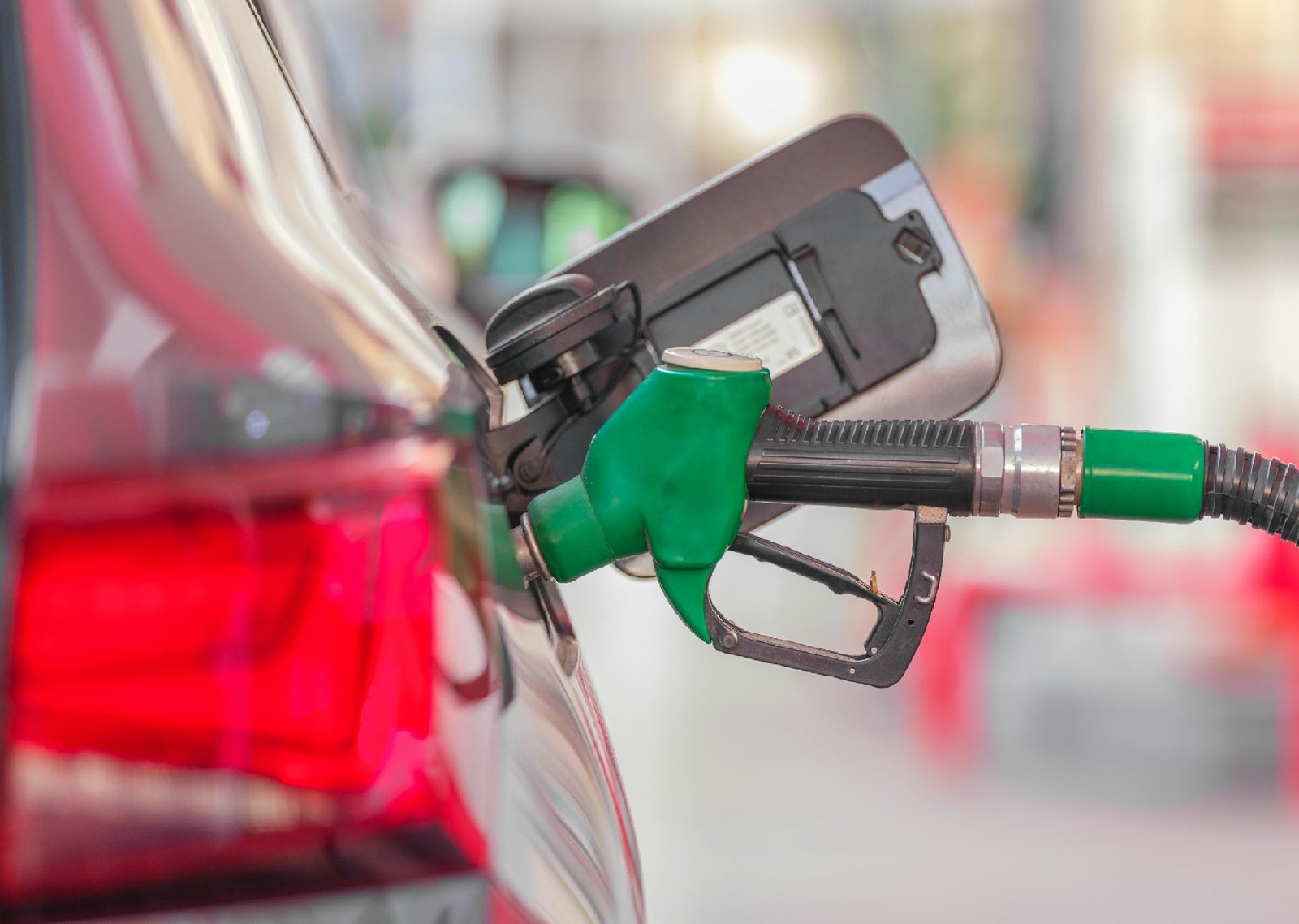
As conflicts continue to ravage Libya, the nation's energy sector has become a key player in the plight of refugees seeking safety and stability. The country, once a major oil producer in North Africa, has seen its energy infrastructure disrupted by years of unrest and political turmoil. This, in turn, has had far-reaching effects on both the local population and the refugee crisis in the region. Refugees fleeing conflict and persecution often find themselves in Libya, a country struggling to meet the basic energy needs of its own people. The unreliable supply of electricity and fuel shortages have created additional challenges for refugees living in overcrowded camps or urban areas. Access to clean cooking facilities, heating, and reliable electricity is essential for their well-being and survival, yet these basic necessities are often in short supply. Moreover, the energy crisis in Libya has fueled a cycle of instability that exacerbates the refugee crisis. The lack of energy resources hinders economic development and job creation, leaving many Libyans and refugees without viable means of support. This, in turn, perpetuates poverty, social unrest, and further displacement. On a broader scale, the global demand for energy and the geopolitics of oil have also influenced the plight of refugees in Libya. The competition for control over the country's oil reserves has fueled conflicts and power struggles, leading to greater insecurity and displacement. The exploitation of energy resources has often come at the expense of human rights and environmental sustainability, further complicating the situation for refugees. In order to address the challenges faced by refugees in the context of Libya's energy crisis, a multi-faceted approach is necessary. This includes improving access to clean and reliable energy services for both the local population and refugees, promoting sustainable energy development practices, and addressing the root causes of conflict and instability in the region. The international community must also play a role in providing support and assistance to refugees in Libya, including funding for energy infrastructure projects, humanitarian aid, and capacity-building initiatives. By addressing the interconnected issues of energy, conflict, and displacement, we can work towards a more sustainable and inclusive future for all those affected by the crisis in Libya. Have a look at the following website to get more information https://www.sunpowerpanels.com For an in-depth analysis, I recommend reading https://www.toabudhabi.com Dropy by for a visit at the following website https://www.cruzar.org Want to know more? Don't forget to read: https://www.abandonar.org To get more information check: https://www.departements.org To get a holistic view, consider https://www.regionales.net To get more information check: https://www.ncciraq.com Want to know more? Don't forget to read: https://www.todamascus.com To see the full details, click on: https://www.totunisia.com Seeking expert advice? Find it in https://www.libyainfo.com
Leave a Comment:
SEARCH
Recent News
- Zurich, Switzerland is known for its picturesque landscapes, thriving financial sector, and strategic location in Europe. Lately, the city has been making headlines for its involvement in Russian energy deals. These deals have sparked controversy and drawn attention from various stakeholders around the world.
- Zurich, Switzerland, and Norwegian energy may seem like an unlikely pairing, but these two entities are actually connected when it comes to sustainable living and renewable energy practices. Zurich, known for its picturesque landscape, vibrant culture, and high quality of life, has been leading the way in environmental conservation and energy efficiency. On the other hand, Norway is renowned for its focus on clean and renewable energy sources, particularly hydropower.
- Zurich, Switzerland is a city known for its picturesque landscapes, high quality of life, and thriving economy. Recently, Zurich has also been making headlines in the energy sector with its growing interest and investment in Libyan energy resources.
- Zurich, Switzerland is setting the bar high when it comes to embracing green energy initiatives. With a strong commitment to sustainability and reducing carbon emissions, the city of Zurich is making impressive strides towards a greener future.
- Zurich, Switzerland is known for being a city at the forefront of sustainability and environmental awareness. In recent years, the city has been making significant strides in the production of biomass energy as a way to reduce its carbon footprint and reliance on fossil fuels.
- In the world of YouTube content creation, finding unique and engaging topics to explore can be a challenge. One intriguing subject that has been gaining attention recently is the translation of Russian energy deals. This niche area of focus offers a fascinating insight into the world of international business and energy geopolitics.
- Norwegian energy companies are making a significant impact on YouTube by creating engaging and informative content about the country's energy sector. With a focus on sustainability and innovation, these companies are using the platform to reach a global audience and promote their efforts in renewable energy production.
- YouTube Content Creation and Translation in Libyan Energy
READ MORE
10 months ago Category :

Zurich, Switzerland is known for its picturesque landscapes, thriving financial sector, and strategic location in Europe. Lately, the city has been making headlines for its involvement in Russian energy deals. These deals have sparked controversy and drawn attention from various stakeholders around the world.
Read More →10 months ago Category :

Zurich, Switzerland, and Norwegian energy may seem like an unlikely pairing, but these two entities are actually connected when it comes to sustainable living and renewable energy practices. Zurich, known for its picturesque landscape, vibrant culture, and high quality of life, has been leading the way in environmental conservation and energy efficiency. On the other hand, Norway is renowned for its focus on clean and renewable energy sources, particularly hydropower.
Read More →10 months ago Category :

Zurich, Switzerland is a city known for its picturesque landscapes, high quality of life, and thriving economy. Recently, Zurich has also been making headlines in the energy sector with its growing interest and investment in Libyan energy resources.
Read More →10 months ago Category :
