Exploring Alternative Fuels in Rio de Janeiro, Brazil
Category : | Sub Category : Posted on 2024-11-05 22:25:23
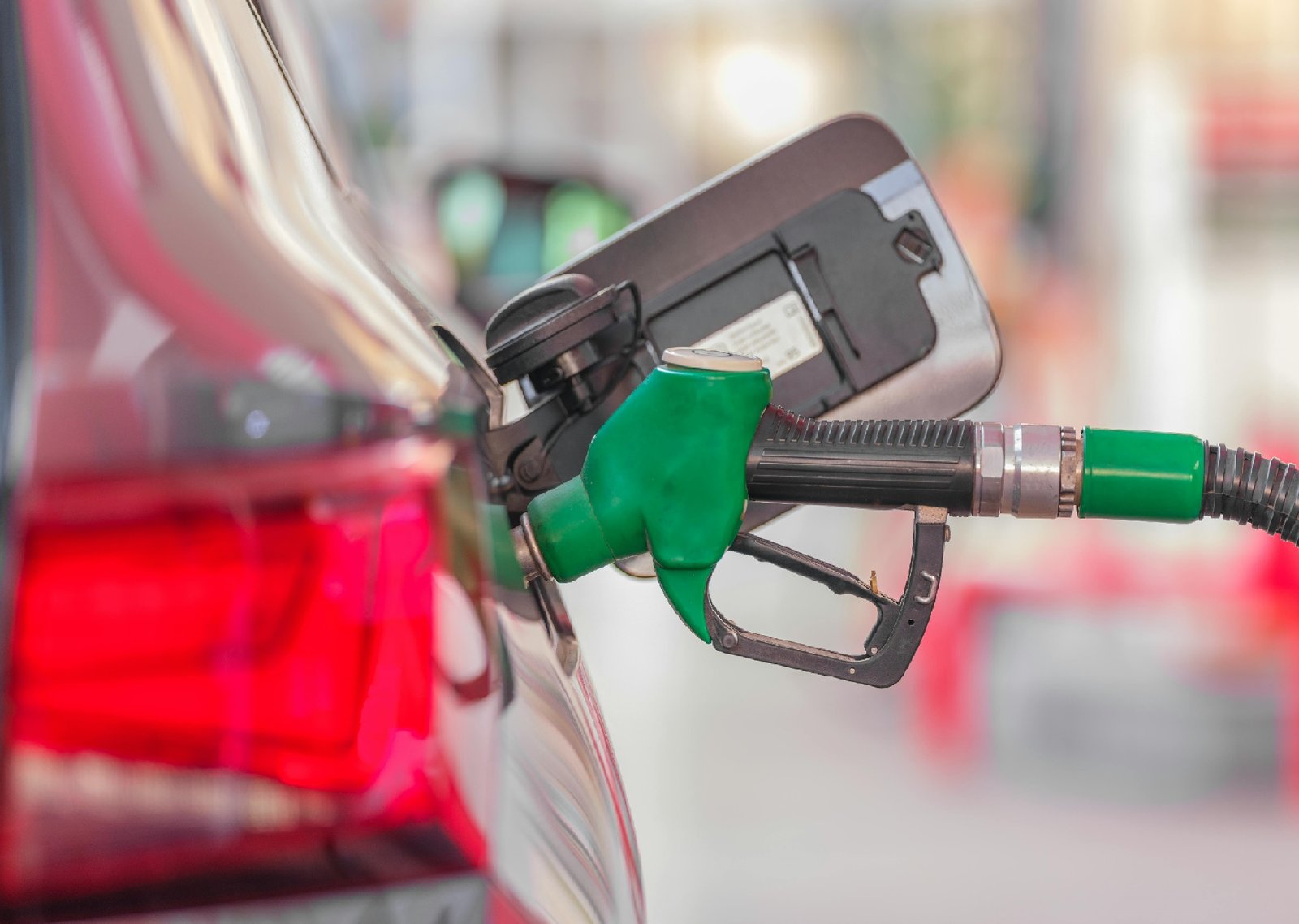
Located in the beautiful country of Brazil, Rio de Janeiro is a vibrant city known for its stunning beaches, rich culture, and lively atmosphere. However, like many other urban centers around the world, Rio de Janeiro is also faced with the challenges of air pollution and greenhouse gas emissions from transportation. In recent years, the city has been taking steps to promote the use of alternative fuels as a way to reduce its environmental impact and foster a more sustainable future. One of the alternative fuels that has gained popularity in Rio de Janeiro is biodiesel. Made from renewable sources such as soybean oil, animal fats, and recycled cooking oil, biodiesel is a cleaner-burning fuel compared to traditional diesel. The city has been incorporating biodiesel into its public transportation system, including buses and municipal vehicles, to reduce emissions and improve air quality for its residents. Another promising alternative fuel being explored in Rio de Janeiro is ethanol, which is mainly produced from sugarcane in Brazil. Ethanol is commonly used as a blend with gasoline in flex-fuel vehicles, offering a cleaner-burning option with lower carbon emissions. The city has been encouraging the adoption of flex-fuel vehicles among its residents and promoting the expansion of ethanol fueling stations to provide more options for drivers. In addition to biodiesel and ethanol, Rio de Janeiro is also looking into other alternative fuels such as natural gas and hydrogen. Natural gas is a cleaner-burning fossil fuel that can be used in vehicles, while hydrogen is a zero-emission fuel that can be produced from renewable sources through electrolysis. By diversifying its fuel options and investing in infrastructure for alternative fuel vehicles, Rio de Janeiro is paving the way for a greener and more sustainable transportation system. Furthermore, the city's commitment to incorporating alternative fuels aligns with Brazil's overall efforts to reduce its dependence on fossil fuels and combat climate change. Through policies, incentives, and collaborations with industry partners, Rio de Janeiro is working towards a cleaner and more sustainable future for its residents and the environment. In conclusion, Rio de Janeiro is actively exploring alternative fuels as a means to curb air pollution, reduce greenhouse gas emissions, and promote sustainability in its transportation sector. By embracing biodiesel, ethanol, natural gas, hydrogen, and other clean fuel options, the city is taking significant steps towards a greener future for generations to come. For an extensive perspective, read https://www.riodejanieroinfo.com
https://tosaopauolo.com
https://riodejanieroinfo.com
https://uptube.net
https://sunpowerpanels.com
https://refueling.net
Leave a Comment:
SEARCH
Recent News
- Zurich, Switzerland is known for its picturesque landscapes, thriving financial sector, and strategic location in Europe. Lately, the city has been making headlines for its involvement in Russian energy deals. These deals have sparked controversy and drawn attention from various stakeholders around the world.
- Zurich, Switzerland, and Norwegian energy may seem like an unlikely pairing, but these two entities are actually connected when it comes to sustainable living and renewable energy practices. Zurich, known for its picturesque landscape, vibrant culture, and high quality of life, has been leading the way in environmental conservation and energy efficiency. On the other hand, Norway is renowned for its focus on clean and renewable energy sources, particularly hydropower.
- Zurich, Switzerland is a city known for its picturesque landscapes, high quality of life, and thriving economy. Recently, Zurich has also been making headlines in the energy sector with its growing interest and investment in Libyan energy resources.
- Zurich, Switzerland is setting the bar high when it comes to embracing green energy initiatives. With a strong commitment to sustainability and reducing carbon emissions, the city of Zurich is making impressive strides towards a greener future.
- Zurich, Switzerland is known for being a city at the forefront of sustainability and environmental awareness. In recent years, the city has been making significant strides in the production of biomass energy as a way to reduce its carbon footprint and reliance on fossil fuels.
- In the world of YouTube content creation, finding unique and engaging topics to explore can be a challenge. One intriguing subject that has been gaining attention recently is the translation of Russian energy deals. This niche area of focus offers a fascinating insight into the world of international business and energy geopolitics.
- Norwegian energy companies are making a significant impact on YouTube by creating engaging and informative content about the country's energy sector. With a focus on sustainability and innovation, these companies are using the platform to reach a global audience and promote their efforts in renewable energy production.
- YouTube Content Creation and Translation in Libyan Energy
READ MORE
10 months ago Category :

Zurich, Switzerland is known for its picturesque landscapes, thriving financial sector, and strategic location in Europe. Lately, the city has been making headlines for its involvement in Russian energy deals. These deals have sparked controversy and drawn attention from various stakeholders around the world.
Read More →10 months ago Category :

Zurich, Switzerland, and Norwegian energy may seem like an unlikely pairing, but these two entities are actually connected when it comes to sustainable living and renewable energy practices. Zurich, known for its picturesque landscape, vibrant culture, and high quality of life, has been leading the way in environmental conservation and energy efficiency. On the other hand, Norway is renowned for its focus on clean and renewable energy sources, particularly hydropower.
Read More →10 months ago Category :

Zurich, Switzerland is a city known for its picturesque landscapes, high quality of life, and thriving economy. Recently, Zurich has also been making headlines in the energy sector with its growing interest and investment in Libyan energy resources.
Read More →10 months ago Category :
