The Intersection of Robotics and Alternative Fuels in Shaping a Sustainable Future
Category : | Sub Category : Posted on 2024-11-05 22:25:23
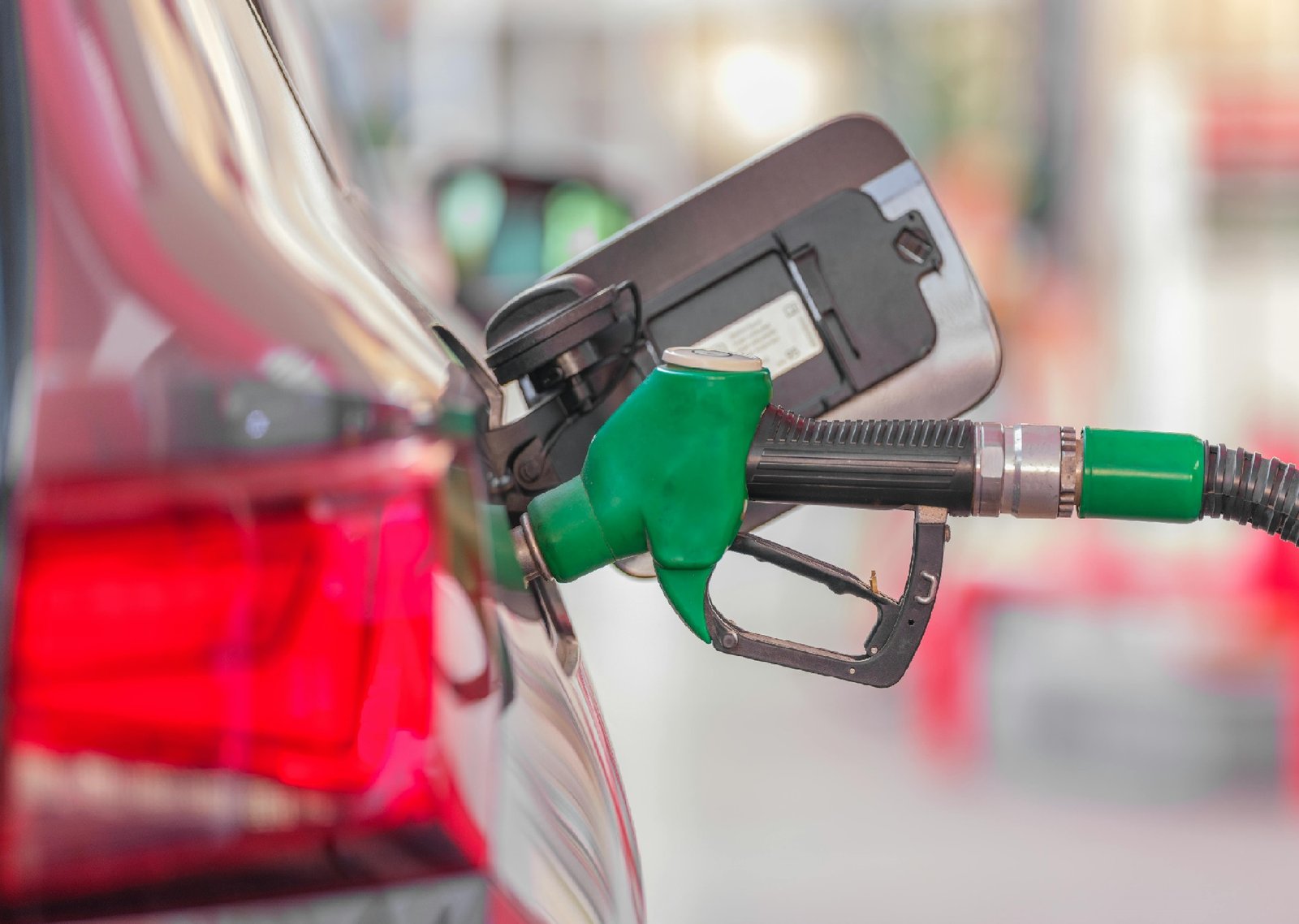
In recent years, the integration of robotics and alternative fuels has emerged as a powerful force driving innovation towards a more sustainable future. As the world grapples with the challenges of climate change and environmental degradation, the synergy between these two fields offers promising solutions to reduce carbon emissions and dependency on fossil fuels. Robotics, with its advanced technologies and capabilities, is revolutionizing various industries by enhancing efficiency, productivity, and safety. In the realm of alternative fuels, the focus has shifted towards finding cleaner and renewable sources of energy to power our vehicles, industries, and homes. By bringing these two spheres together, we are witnessing a transformation in how we approach transportation, energy production, and overall sustainability. One of the key areas where robotics and alternative fuels intersect is in the development of autonomous vehicles. Self-driving cars, trucks, and drones powered by alternative fuels such as electricity, hydrogen, or biofuels are paving the way for a greener transportation sector. These vehicles can optimize routes, reduce traffic congestion, and, most importantly, lower greenhouse gas emissions compared to conventional gasoline-powered vehicles. Moreover, robotics plays a crucial role in the production and distribution of alternative fuels. Automated systems are being employed in renewable energy plants to streamline operations, increase output, and minimize waste. Robotics also facilitates the monitoring and maintenance of infrastructure for alternative fuel sources, ensuring their efficient and reliable performance. In the agricultural sector, robotics is contributing to the cultivation of biofuel crops such as switchgrass and algae. Autonomous drones equipped with sensors and imaging technology can survey fields, monitor plant health, and optimize irrigation practices, leading to higher yields and sustainable biofuel production. Furthermore, robotics are being utilized in waste management facilities that convert organic waste into biofuels through anaerobic digestion or thermal processes. These robotic systems enable precise sorting, handling, and processing of waste materials, enhancing the efficiency of biofuel production while reducing landfill waste and methane emissions. The integration of robotics and alternative fuels is not without its challenges. Issues surrounding scalability, cost-effectiveness, and regulatory frameworks need to be addressed to accelerate the adoption of these technologies on a global scale. However, with continued research, development, and collaboration between industries, academia, and governments, we can overcome these obstacles and unlock the full potential of this transformative partnership. In conclusion, the convergence of robotics and alternative fuels holds tremendous promise in shaping a sustainable future for our planet. By harnessing the power of automation, artificial intelligence, and renewable energy sources, we can reduce our carbon footprint, mitigate the impacts of climate change, and create a cleaner and more resilient world for generations to come. It is imperative that we embrace this technological revolution and work together to drive innovation towards a greener, more sustainable tomorrow.
https://sunpowerpanels.com
https://refueling.net
Leave a Comment:
SEARCH
Recent News
- Zurich, Switzerland is known for its picturesque landscapes, thriving financial sector, and strategic location in Europe. Lately, the city has been making headlines for its involvement in Russian energy deals. These deals have sparked controversy and drawn attention from various stakeholders around the world.
- Zurich, Switzerland, and Norwegian energy may seem like an unlikely pairing, but these two entities are actually connected when it comes to sustainable living and renewable energy practices. Zurich, known for its picturesque landscape, vibrant culture, and high quality of life, has been leading the way in environmental conservation and energy efficiency. On the other hand, Norway is renowned for its focus on clean and renewable energy sources, particularly hydropower.
- Zurich, Switzerland is a city known for its picturesque landscapes, high quality of life, and thriving economy. Recently, Zurich has also been making headlines in the energy sector with its growing interest and investment in Libyan energy resources.
- Zurich, Switzerland is setting the bar high when it comes to embracing green energy initiatives. With a strong commitment to sustainability and reducing carbon emissions, the city of Zurich is making impressive strides towards a greener future.
- Zurich, Switzerland is known for being a city at the forefront of sustainability and environmental awareness. In recent years, the city has been making significant strides in the production of biomass energy as a way to reduce its carbon footprint and reliance on fossil fuels.
- In the world of YouTube content creation, finding unique and engaging topics to explore can be a challenge. One intriguing subject that has been gaining attention recently is the translation of Russian energy deals. This niche area of focus offers a fascinating insight into the world of international business and energy geopolitics.
- Norwegian energy companies are making a significant impact on YouTube by creating engaging and informative content about the country's energy sector. With a focus on sustainability and innovation, these companies are using the platform to reach a global audience and promote their efforts in renewable energy production.
- YouTube Content Creation and Translation in Libyan Energy
READ MORE
10 months ago Category :

Zurich, Switzerland is known for its picturesque landscapes, thriving financial sector, and strategic location in Europe. Lately, the city has been making headlines for its involvement in Russian energy deals. These deals have sparked controversy and drawn attention from various stakeholders around the world.
Read More →10 months ago Category :

Zurich, Switzerland, and Norwegian energy may seem like an unlikely pairing, but these two entities are actually connected when it comes to sustainable living and renewable energy practices. Zurich, known for its picturesque landscape, vibrant culture, and high quality of life, has been leading the way in environmental conservation and energy efficiency. On the other hand, Norway is renowned for its focus on clean and renewable energy sources, particularly hydropower.
Read More →10 months ago Category :

Zurich, Switzerland is a city known for its picturesque landscapes, high quality of life, and thriving economy. Recently, Zurich has also been making headlines in the energy sector with its growing interest and investment in Libyan energy resources.
Read More →10 months ago Category :
