Exploring the Adoption of Alternative Fuels in the UAE Technical Market
Category : | Sub Category : Posted on 2024-11-05 22:25:23
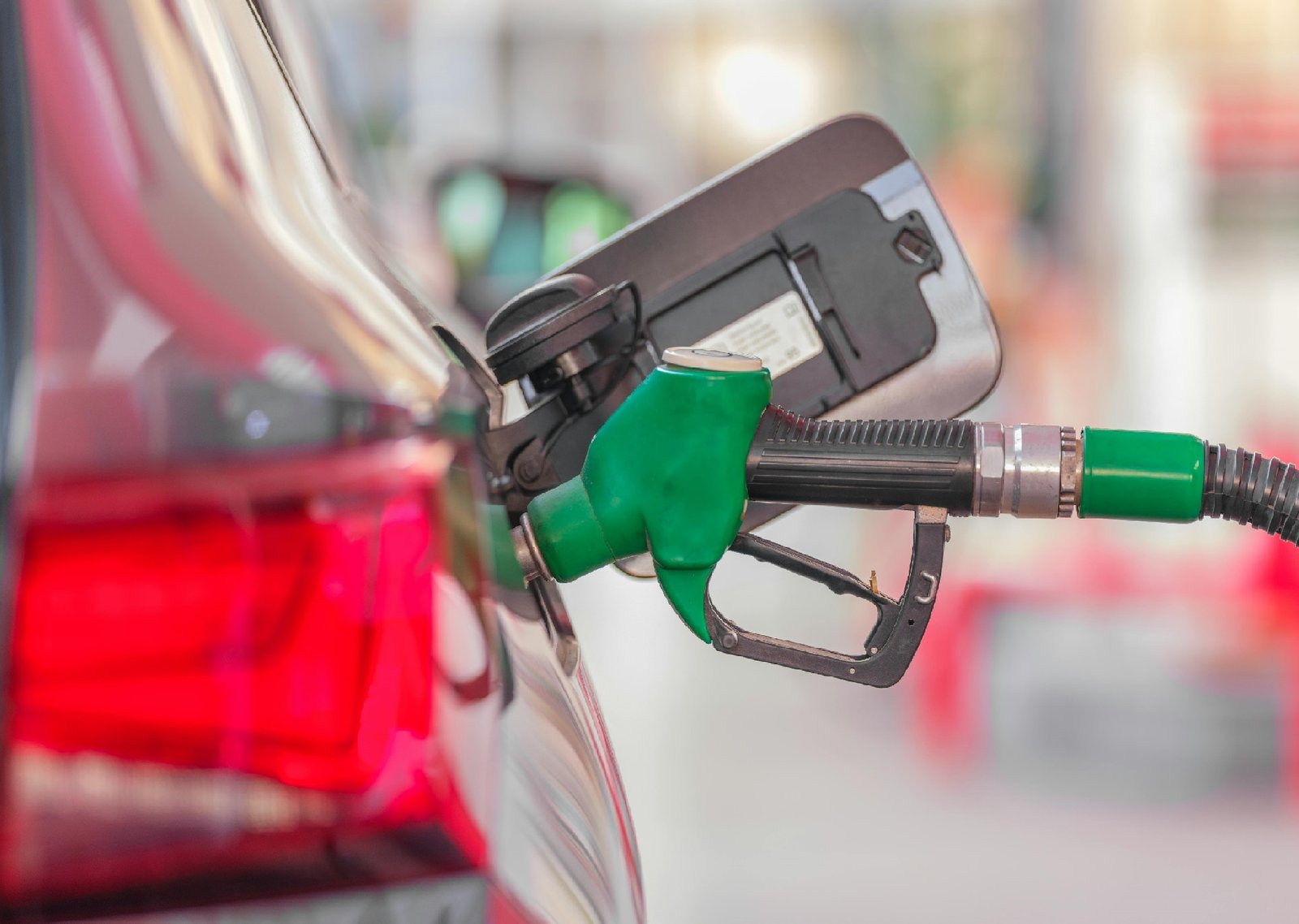
As the world shifts towards sustainable and eco-friendly practices, the United Arab Emirates (UAE) has been making significant strides in embracing alternative fuels in various sectors, including the technical market. The UAE's drive towards utilizing alternative fuels is driven by the aim to reduce carbon emissions, contribute to energy security, and diversify its energy sources. In recent years, the UAE has witnessed a growing interest in alternative fuels such as biodiesel, bioethanol, hydrogen, and electric vehicles. These alternative fuels offer a cleaner and more sustainable option compared to traditional fossil fuels, which are known to contribute to air pollution and climate change. One of the key driving forces behind the adoption of alternative fuels in the UAE technical market is the government's commitment to sustainability. The UAE Vision 2021 and the Emirates Green Agenda 2030 both highlight the importance of transitioning towards a low-carbon economy and reducing the country's carbon footprint. As a result, several initiatives and incentives have been introduced to encourage the use of alternative fuels in various industries. In the transportation sector, the UAE has been investing heavily in electric vehicles (EVs) and charging infrastructure. The government has set ambitious targets to increase the number of EVs on the roads and has introduced subsidies and incentives to make EVs more accessible to consumers. Additionally, the UAE is also exploring the use of hydrogen fuel cell vehicles as a clean alternative to traditional petrol and diesel vehicles. In the aviation industry, airlines based in the UAE are actively exploring the use of sustainable aviation fuels (SAF) to reduce their carbon emissions. SAF is produced from renewable sources such as biomass, waste oils, and agricultural residues, making it a greener alternative to traditional jet fuel. Several airlines have conducted successful test flights using SAF, demonstrating the feasibility of using alternative fuels in commercial aviation. In the construction and industrial sectors, the UAE is looking into alternative fuels such as biodiesel and bioethanol to power machinery and equipment. These biofuels are derived from organic materials and offer a renewable and cleaner alternative to diesel and petrol. By incorporating alternative fuels into their operations, companies in the UAE can reduce their environmental impact and contribute to a more sustainable future. As the UAE continues to make progress in adopting alternative fuels in the technical market, collaborations between government agencies, industries, and research institutions will be crucial. Continued research and development in alternative fuel technologies, along with supportive policies and regulations, will be essential in accelerating the transition towards a low-carbon economy. In conclusion, the UAE's efforts to embrace alternative fuels in the technical market reflect its commitment to sustainable development and environmental conservation. By investing in clean and renewable energy sources, the UAE is not only reducing its carbon footprint but also paving the way for a more sustainable future for generations to come.
https://uuae.org
https://sunpowerpanels.com
https://genauigkeit.com
https://refueling.net
Leave a Comment:
SEARCH
Recent News
- Zurich, Switzerland is known for its picturesque landscapes, thriving financial sector, and strategic location in Europe. Lately, the city has been making headlines for its involvement in Russian energy deals. These deals have sparked controversy and drawn attention from various stakeholders around the world.
- Zurich, Switzerland, and Norwegian energy may seem like an unlikely pairing, but these two entities are actually connected when it comes to sustainable living and renewable energy practices. Zurich, known for its picturesque landscape, vibrant culture, and high quality of life, has been leading the way in environmental conservation and energy efficiency. On the other hand, Norway is renowned for its focus on clean and renewable energy sources, particularly hydropower.
- Zurich, Switzerland is a city known for its picturesque landscapes, high quality of life, and thriving economy. Recently, Zurich has also been making headlines in the energy sector with its growing interest and investment in Libyan energy resources.
- Zurich, Switzerland is setting the bar high when it comes to embracing green energy initiatives. With a strong commitment to sustainability and reducing carbon emissions, the city of Zurich is making impressive strides towards a greener future.
- Zurich, Switzerland is known for being a city at the forefront of sustainability and environmental awareness. In recent years, the city has been making significant strides in the production of biomass energy as a way to reduce its carbon footprint and reliance on fossil fuels.
- In the world of YouTube content creation, finding unique and engaging topics to explore can be a challenge. One intriguing subject that has been gaining attention recently is the translation of Russian energy deals. This niche area of focus offers a fascinating insight into the world of international business and energy geopolitics.
- Norwegian energy companies are making a significant impact on YouTube by creating engaging and informative content about the country's energy sector. With a focus on sustainability and innovation, these companies are using the platform to reach a global audience and promote their efforts in renewable energy production.
- YouTube Content Creation and Translation in Libyan Energy
READ MORE
10 months ago Category :

Zurich, Switzerland is known for its picturesque landscapes, thriving financial sector, and strategic location in Europe. Lately, the city has been making headlines for its involvement in Russian energy deals. These deals have sparked controversy and drawn attention from various stakeholders around the world.
Read More →10 months ago Category :

Zurich, Switzerland, and Norwegian energy may seem like an unlikely pairing, but these two entities are actually connected when it comes to sustainable living and renewable energy practices. Zurich, known for its picturesque landscape, vibrant culture, and high quality of life, has been leading the way in environmental conservation and energy efficiency. On the other hand, Norway is renowned for its focus on clean and renewable energy sources, particularly hydropower.
Read More →10 months ago Category :

Zurich, Switzerland is a city known for its picturesque landscapes, high quality of life, and thriving economy. Recently, Zurich has also been making headlines in the energy sector with its growing interest and investment in Libyan energy resources.
Read More →10 months ago Category :
